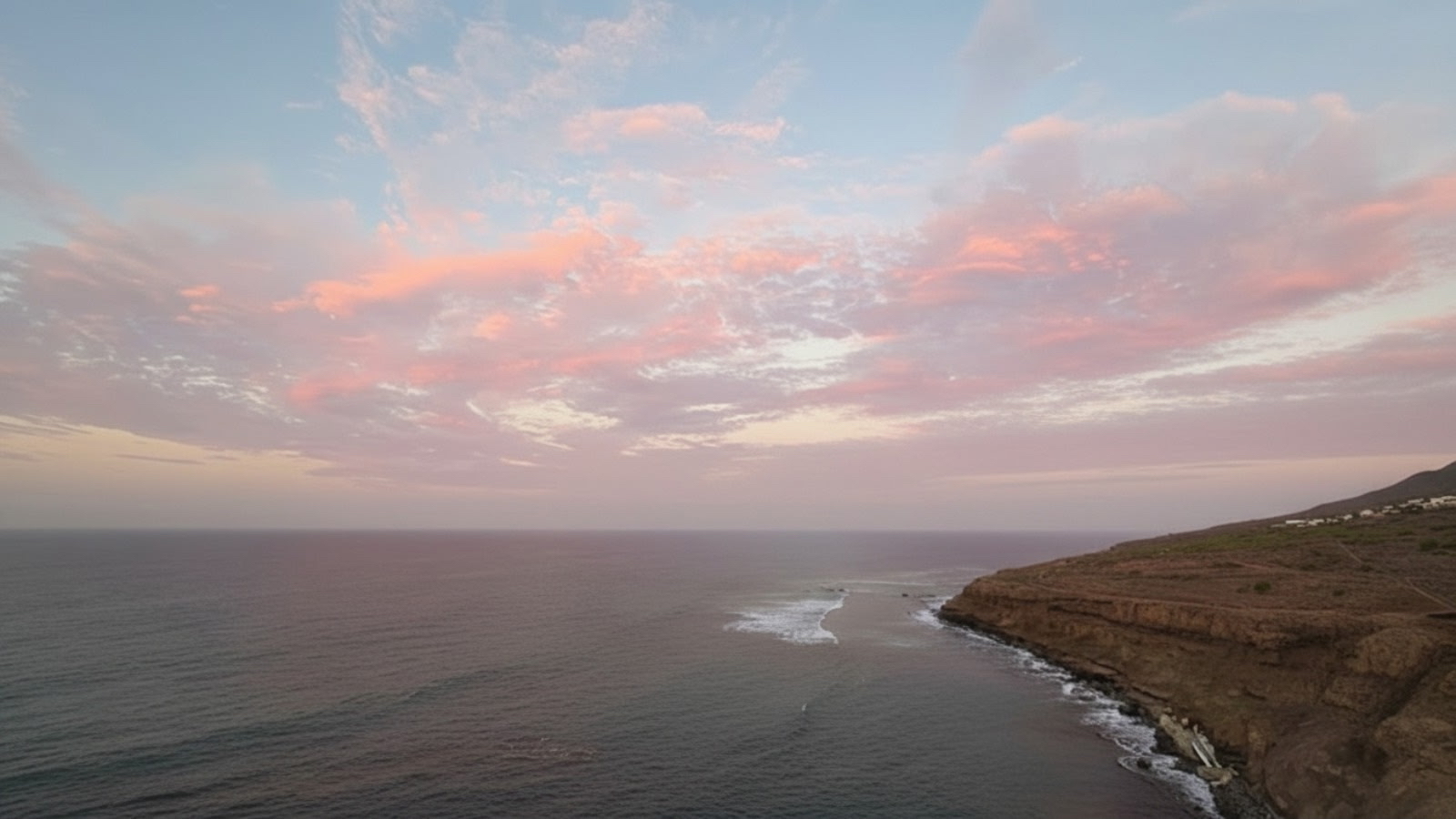
Most ibogaine clinics want your business. Alan Romano's website is designed to screen you out.
That was the thing that caught my attention before the call. Plantas Sagradas, Alan's clinic in southern Tijuana, is explicit about turning people away. Not in the fine print. Right up front. Most operators bury that kind of language, or avoid it entirely. He leads with it. So I went down the rabbit hole on the site, then I called him.
What I found was someone who had come to ibogaine the hard way: as a patient looking for something he couldn't find, spending months researching a field that had no reliable guide, and eventually building the retreat he wished had existed. He also came in with a credential most ibogaine providers don't have: a license, six years of integration practice, and a clinical framework he developed himself. The combination is uncommon enough that I wanted to understand it.
This is the conversation we had.
Who I Spoke With
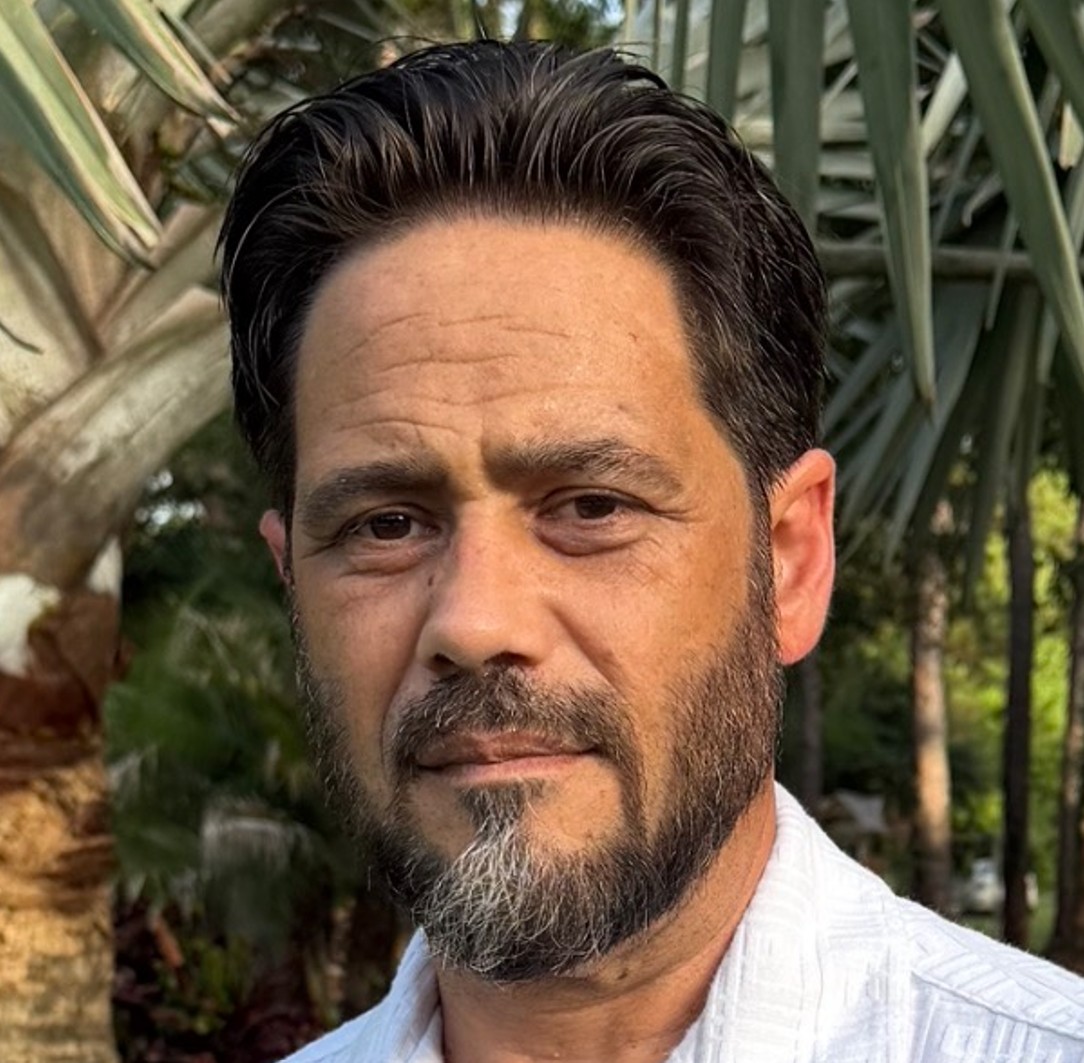
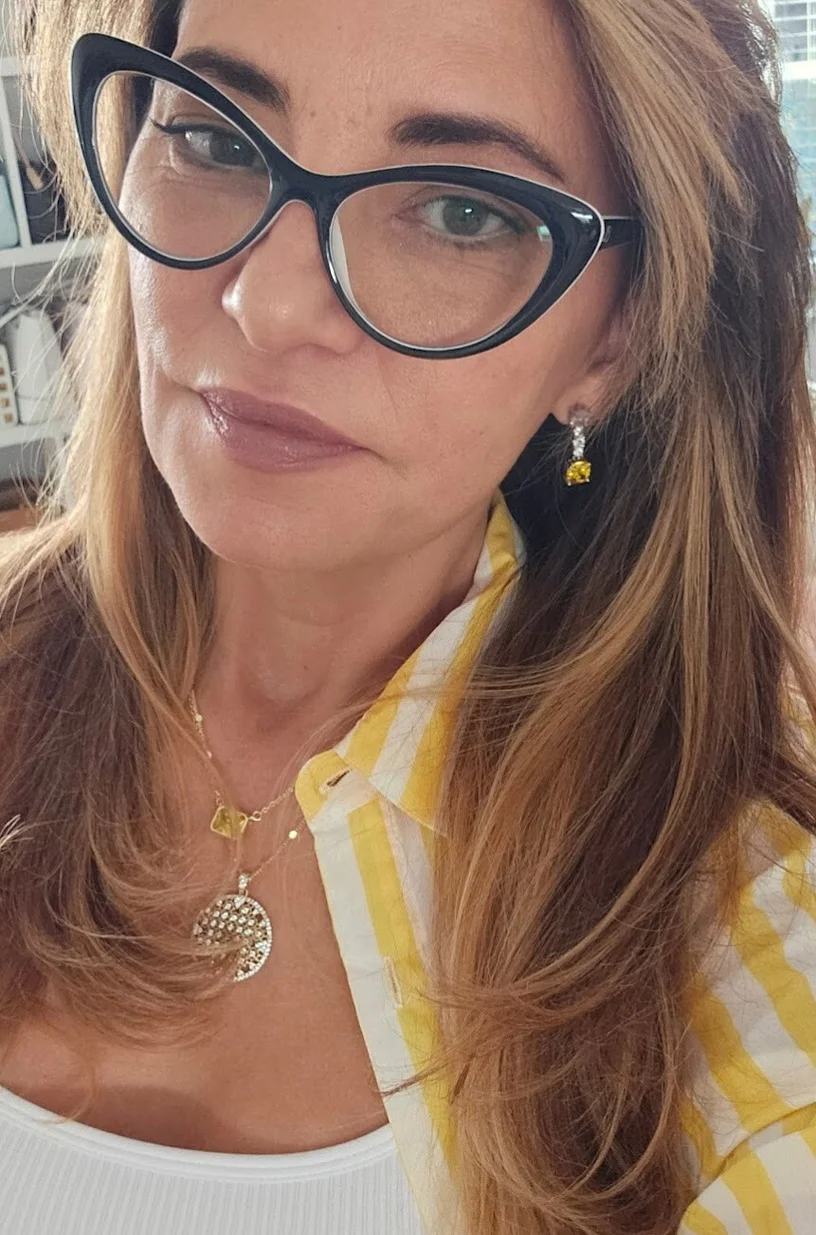
Alan Romano is a licensed clinical social worker (LCSW) and co-founder of Plantas Sagradas, alongside Anna Canchola. He runs a ketamine psychotherapy practice in South Florida and has been working as an integration therapist for six years. He moved to South Florida as a kid and has been a lifelong student of psychedelics going back to the 90s, before that word carried any clinical weight.
He's also a former opioid dependent. Put on maximum-dose OxyContin at 18 by a neurologist who was, as Alan put it, "being taught bad science." He's spent roughly 12 months of his life in acute withdrawal across his history. He got sober in 2014, went back to school, earned his LCSW, and then in 2018 had a motorcycle accident that reset everything: seven broken vertebrae, a shattered collarbone, a bleeding brain, five days in an induced coma. Hospital-grade fentanyl couldn't touch his Suboxone withdrawal. He came out the other side feeling robbed of a near-death experience he thought would change him. That's what led him to ibogaine.
"I've spent about 12 months of my life in acute withdrawal. It's like the most challenging thing you can imagine, nonstop. So I've really suffered there, and I've been through what we have to offer here in the US. And it's garbage."Alan Romano, LCSW, co-founder, Plantas Sagradas
His first ibogaine treatment was in 2019, at a clinic in Mexico. He went back multiple times over the years. His last visit, ibogaine stayed with him for nine days: still having visions a week out, still tested clean, and the facilitator wouldn't serve him ayahuasca because of it. That history is now the foundation of his book on Functional Systems Regulation Theory (FSRT), his own clinical framework, available on Amazon, and it's also the foundation of Plantas Sagradas.
Anna Canchola didn't come to this work through a clinical credential. She came through the same door as the patients Plantas Sagradas now serves.
She started at a ketamine clinic in South Florida after years of severe childhood trauma and addiction. Alan was her integration therapist. Over two years, she did psilocybin work with him, then he guided her to a clinic in Mexico for a 10-day stay: Kambo, Bufo, Ibogaine, Ayahuasca. When she came out of it, she knew she wanted to stay. She moved to Mexico, left her home, her career, her family. She spent the next two years meeting facilitators, healers, and shamans across Baja and beyond, vetting them, doing medicine with them herself, building relationships. That network is now the operational spine of Plantas Sagradas.
She also had a difficult experience with another ibogaine provider along the way. No one checked in afterward. She worked through it with another psychedelic therapist in Mexico. That experience is part of why she built what she built: she wanted to do right by all the things she felt were done wrong.
The founding moment she described: a father came to her asking about ibogaine for his addicted son. She went to her medicine facilitator and said: let's put the team together and make this happen. For payment, she'd take whatever the father wanted to give. Her facilitator sat her down and told her she was ready, and that there was no other retreat that could come close to what she would build. She called Alan in Florida. That was it.
Before any of this, she was an art curator across Florida and other states. What she has instead of clinical credentials is a network two years in the making: every serious healer in Baja worth knowing, vetted personally, most of them done medicine with her directly.
Who They Treat
Plantas Sagradas opened in May 2026. At the time of our conversation, they had served a handful of clients. Alan is explicit about this: the clinic is new. He built it after years of traveling back and forth to Mexico, building relationships, working with people informally, and developing protocols in writing before they opened. But the track record is still short.
Their medicine menu is wide: ibogaine, ayahuasca, kambo, bufo, changa, psilocybin, and NAD+. The breadth is intentional. Alan's view is that ibogaine is one tool among many, not a cure, and that the right medicine for a given person depends on who they are and what they're there to work on. He had a client coming in the week after our call who wasn't dependent on anything. Just family trauma, things with his father, "general improvements in life." That person wasn't getting ibogaine.
"Ibogaine is not going to cure addiction. It doesn't. It takes away withdrawal and gives a short window of opportunity. But that's it. Without intentional change, we inevitably return to familiarity."Alan Romano, Plantas Sagradas
The patient he turned away recently was a former ketamine client who had relapsed and was in bad shape. They wanted to come. Alan said no. Not because the door was closed permanently, but because they were unwilling to participate in the preparation process safety required before arriving in Mexico. They still talk. Alan described it as a kind of care, not a rejection. He said no in a way that kept the relationship alive and held the possibility open for when the person is actually ready.
The explicit turning-away stance isn't about selectivity for its own sake. It's about what ibogaine can and can't do. Alan has watched people go through the medicine and walk back into the same conditions that made them sick. He's done it himself. The clinic exists partly because of those experiences.
How They Run Treatment
The preferred program is 21 days. That's the same length as Alan's own first treatment, when he came in on 24mg of Suboxone a day. It's long by Mexico standards, and it's intentional: he believes the preparation phase is where most clinics cut corners, and he's designing protocols that account for the full complexity of what someone brings in.
For patients who can't commit to 21 days, there's a shorter protocol: a kambo session first (Alan is a certified practitioner), followed by a half-dose and then a flood dose of ibogaine, spaced across days. At least five days post-ibogaine before ayahuasca is served. He described the sequencing as a medical assessment that continues in real time: if someone isn't stabilizing, you wait. You don't move to the next medicine until the system is ready.
"After ibogaine, especially for opioid dependence, it does a great job of clearing withdrawal symptoms, but it also wipes out everything. I came out of it feeling nothing. Completely emotionless. If I didn't do ayahuasca before leaving that first time, I don't know what would have happened to me."Alan Romano, Plantas Sagradas
Bufo and changa serve a specific role in their sequencing: revitalization after the flatness ibogaine can leave behind. Ayahuasca follows for deeper integration. The sequencing isn't a menu you pick from; it's Alan's clinical read on what a given person needs.
Medical Safety
Screening starts before you arrive. Blood work, lab work, cardiac reports, and a full biopsychosocial assessment are collected in advance. Alan described his biopsychosocial as genuinely full: "I want to know about every system of their life." Not a form that gets skimmed.
On arrival, clients see a cardiologist, get a stress test, and have an EKG done. That's the second clearance gate. During the ibogaine session, they're monitored continuously with IV access ready. A registered nurse is on-site for 72 hours post-session, monitoring electrolytes, managing IV hydration, and watching for anything that needs intervention.
During the ibogaine session, the roles are clearly divided. Their lead EMT, a firefighter with 16 years of ibogaine experience, is in the room alongside a nurse whose focus is entirely on the monitors. The EMT's attention stays on the patient: observing, guiding, helping them through the process. Anna sits in a chair outside the door. The physician is nearby and steps in only if something requires medical intervention.
The physician overseeing medical care is a General Practitioner with a doctorate from UNAM's Otay campus, an MBA in Healthcare Administration, and ibogaine experience since 2021. He previously served as the medical director of another Tijuana-area ibogaine clinic for three years before leaving over a values disagreement. He currently works with multiple clinics and has agreed to put his name publicly on the site once his work there is exclusive.
They are pursuing COFEPRIS certification (Comisión Federal de Protección contra Riesgos Sanitarios), the Mexican federal health regulatory body. The process is ongoing. All of the medicines used at the clinic are controlled in Mexico, which makes the certification path lengthy.
What Sets Them Apart
The short answer is Alan himself. He's a licensed therapist in a field where most practitioners aren't. He has lived experience with opioid dependence, ibogaine, and the specific failure modes of American recovery. He developed his own clinical framework out of it. And he's working with a small number of clients at once, with meaningful time on each one. That combination is genuinely unusual.
The clinical framework, FSRT (Functional Systems Regulation Theory), explains why Plantas Sagradas runs the way it does. The core idea: healing isn't symptom elimination. It's reorganization across interconnected systems, body, nervous system, relationships, culture, environment. You can't fix the person and send them back to the same sick system that produced the problem.
"We can't heal from the same system that is making us sick."Alan Romano, Plantas Sagradas
The first principle Alan named from FSRT is "attunement over assessment." He doesn't come at people as a clinician first. He comes as a human. He described it as learning who the person is before deciding what they need. "I want to learn you," he said. Not a phrase you hear from most providers.
This matters especially for clients who aren't spiritual. There's a version of plant medicine treatment that amounts to a facilitator projecting their beliefs onto a vulnerable person. Alan has a word for that. He's deeply spiritual himself: he believes in the intelligence of iboga, in the collective unconscious, in the sense that these medicines are communicating something about our evolutionary process. But none of that enters the room with a client unless they bring it.
"The spirituality of peace informs my practice, but doesn't enter my practice. Your truth is your truth. I want to know. I don't want you to know my truth."Alan Romano, Plantas Sagradas
Aftercare is the third leg. Alan has been an integration therapist for six years, specifically because he had to do his own integration the hard way after his own ibogaine experience: no integration therapist, no real support structure. He's not recreating that experience for his clients. The three months after ibogaine, he said, are as important as the session itself. He stays in contact. The retreat doesn't end when the client leaves Mexico.
Programs & Pricing
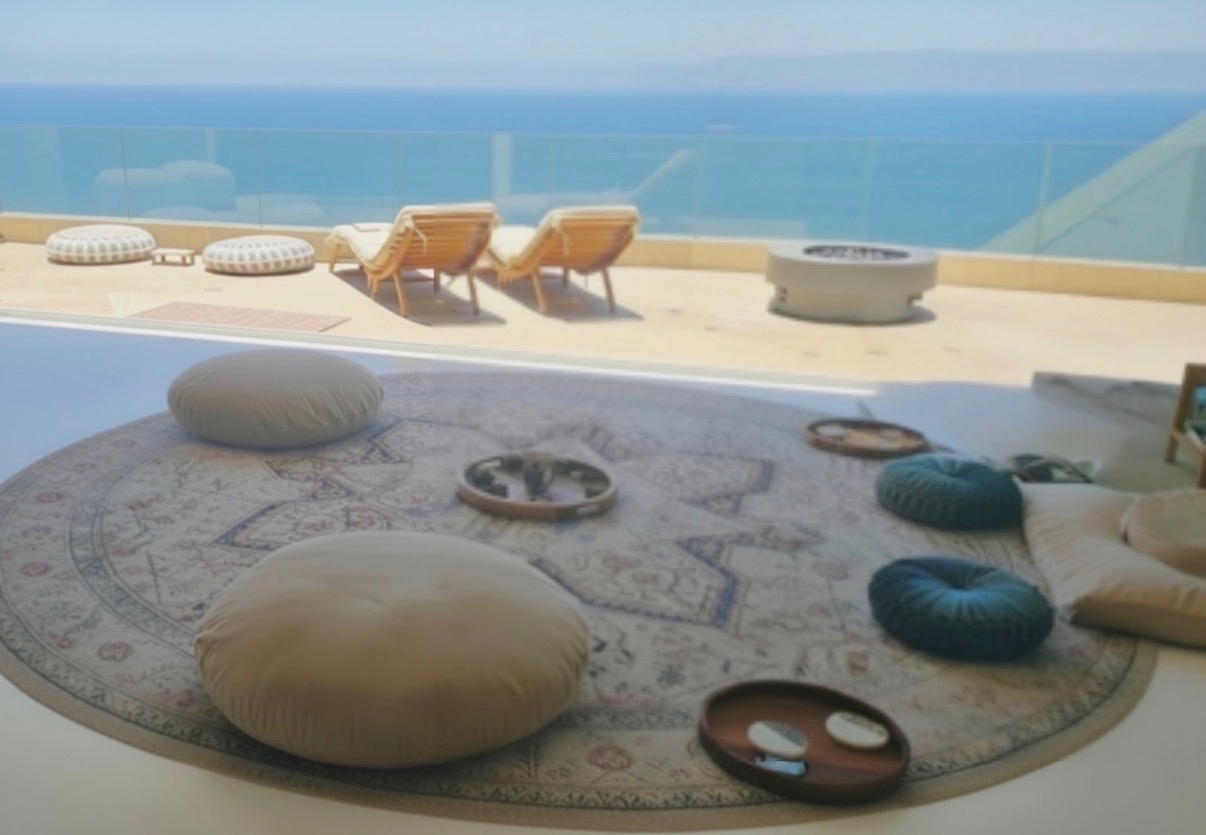
The core program is a 10-day stay at $10,000, all-inclusive. That covers the medicine ceremonies, accommodation, meals prepared by a personal chef on a protocol-specific diet, airport pickup, medical tests and doctor consult on arrival, yoga, breathwork, massage, hot tub and sauna, daily beach walks, and rest-day activities including hiking and horseback riding. IV treatments for detox, hydration, and recovery are also included, prescribed by the physician based on blood work.
The medicine protocol is personalized. Alan designs it during intake and the first session: which medicines, in what sequence, over which days. Everything selected is included in the flat fee. There's no per-ceremony add-on pricing.
A note on Kambo: it can be part of the 10-day protocol, but Plantas Sagradas generally prefers an IV detox approach (NAD+ and Glutathione) for the 10-day program. Kambo works best administered three times within a 30-day cycle, so they tend to reserve it for the 21-day program. Peptide therapy is separate from Kambo and is offered as an optional extra during the 2-week integration phase that follows the 10-day stay.
| Program | Duration | Price | Best For |
|---|---|---|---|
| Core Protocol | 10 days | $10,000 | Opioid dependence, trauma, personal growth; all ceremonies and services included |
| Extended Detox Program | 21 days | $20,000 | Long-term Suboxone / methadone patients; complex opioid histories; full Kambo cycle |
| Integration & Reorganization Stay | 14 days | $12,000 (additional) | Post-10-day integration; optional peptide therapy available during this phase |
| Wounded Healers Retreat | Dates TBD | Pending | Working clinicians, therapists, and counselors seeking firsthand medicine experience |
What Surprised Me
The moment that stopped me was when I asked Alan about dual diagnosis. It's a common reason clinics turn people away. He pushed back in a way I didn't expect.
He told me about a client he treated with ketamine. Thirty-year diagnosis of dissociative identity disorder. Twelve identified parts. Contraindicated for ketamine by conventional thinking. He treated them anyway, working in collaboration with their psychiatrist and his broader clinical team. After the first session, they stopped dissociating for the first time in thirty years. Following the initial round of ketamine-assisted psychotherapy, the client maintained stabilization throughout the following year while engaged in treatment, and dissociation between parts was no longer present in their clinical presentation.
His take on dual diagnosis as a category: "I think many exclusions are driven more by liability and fear than by thoughtful, individualized assessment." He sees diagnoses as culturally relevant, not absolute. He adjusts the protocol; he doesn't close the door. That's a meaningful difference from how most of the field operates, and it says something about his confidence in reading clinical situations that others won't touch.
The other moment that stayed with me came when we talked about the future of ibogaine in the US. Alan's concern isn't that it won't get approved: it's that the wrong institutions will get hold of it. His example: "I have been contacted by government organizations engaged in advancing research and clinical innovation in the field of psychedelics," he said. He declined. "I don't want anything to do with what you're doing." That's not a casual opinion. It comes from a belief, stated more than once during our call, that you can't heal people using the same system that made them sick. He extends that logic to Washington, to corporate ketamine chains, and to any structure that treats ibogaine as a product to be streamlined rather than a medicine that requires a human in the room.
Alan Romano is one of the more credentialed, more rigorously self-examined people I've spoken with in ibogaine. His personal history is real, his clinical credentials are real, and his thinking about what ibogaine actually does and doesn't do is clearer than most. The FSRT framework isn't marketing language. It's the product of a decade of lived experience and clinical practice that he's now trying to put into a formal structure.
The honest caveat: Plantas Sagradas is two months old and has served a small number of clients. Alan's preparation and thinking are well-developed, but the clinic's track record is still being built. If you need the reassurance of a clinic that's been running for five years with hundreds of patients, this isn't it. If you value a therapist-led, integration-focused approach from someone who has been through the experience himself, it might be exactly right.
The Wounded Healers Retreat is worth calling out separately. It's designed for working clinicians and therapists who want to experience traditional medicines themselves, not as patients, but as practitioners who want to understand what they're asking their clients to go through. The premise: you can't do real integration work with someone who has been through ibogaine or ayahuasca if you've never sat with the medicine yourself. The first cohort is still being organized, minimum four participants. There aren't many places building that bridge intentionally. If that's you, it's worth a conversation.