Clinic Directory

IbogaQuest: The Ibogaine Clinic That Refuses to Scale

Barry Rossinoff knew Howard Lotsof before most people knew ibogaine existed. What he built is a not-for-profit cooperative in Tepoztlán running seven patients a month through a two-dose ibogaine protocol: the flood mid-week, a second dose at two-thirds the strength on Friday.

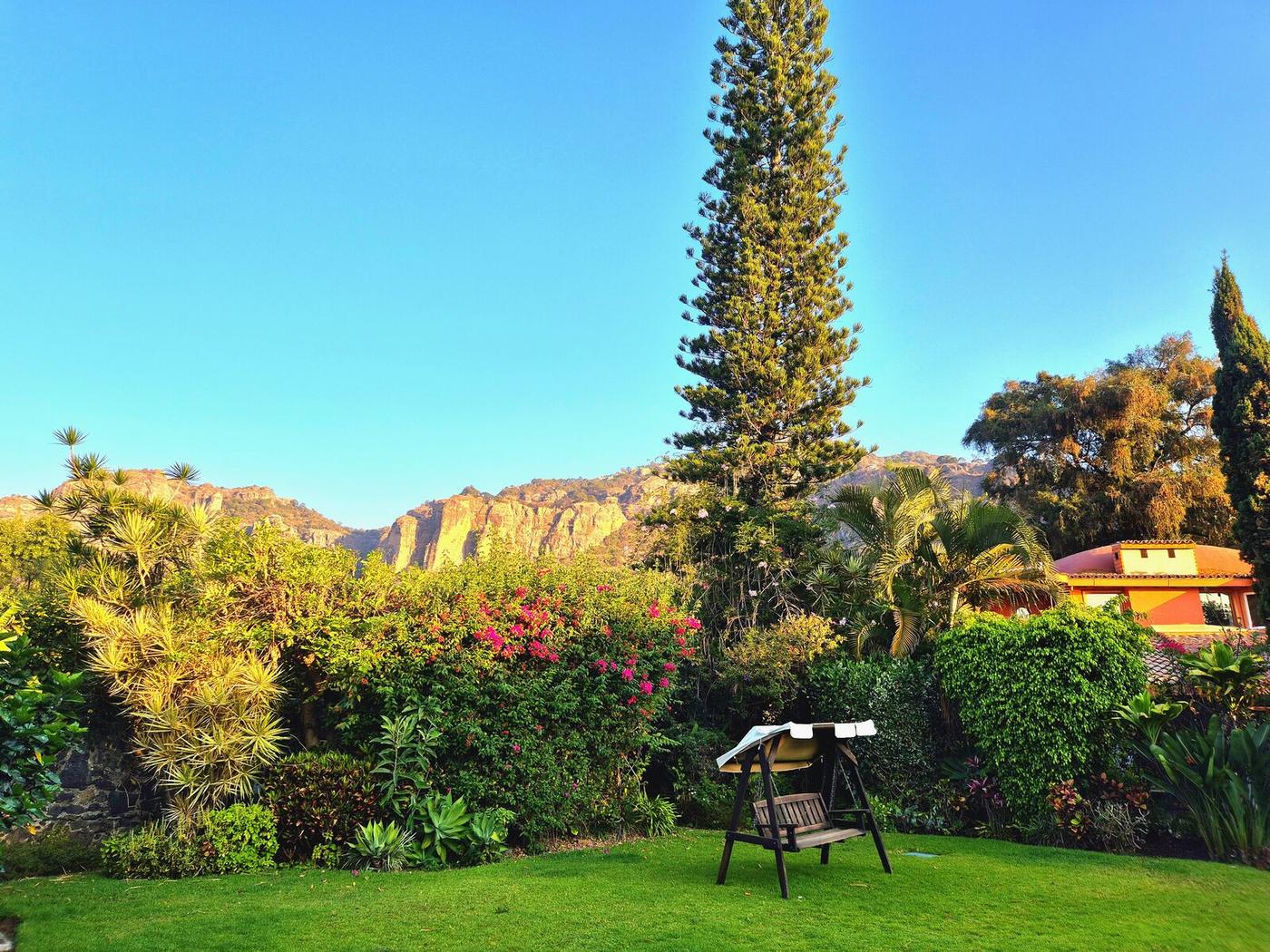
IbogaQuest property in Tepoztlán, Morelos
Location
Tepoztlán, Morelos, Mexico
Founded
2009
Patients Treated
~1,300 since 2009
Operating Model
Cooperative, not-for-profit
Monthly Capacity
Up to 7 patients (one retreat week per month)
Price Range
$6,500 – $13,500
Website

The phone started ringing before there was a website. At first, most of the calls were from people struggling with addiction. They had heard that ibogaine could be a powerful tool for detox and recovery, and they wanted to know if Barry could help guide them through the process. He spent hours on the phone explaining what ibogaine was, how it worked, what treatment involved, and what people could realistically expect. This was around 2008, when almost nothing had been written publicly about ibogaine and reliable information was difficult to find. As more calls came in, Barry eventually created a website so he would not have to repeat the same long explanations over and over. That website became the beginning of IbogaQuest.

Barry had known about ibogaine since the late 1960s, through a mutual friend who introduced him to Howard Lotsof himself. Lotsof was the man who first documented ibogaine's anti-addictive properties, and Barry was in his orbit years before ibogaine became a subject of scientific or clinical interest. His own first flood dose came in 2000. He was already living in Mexico when the calls started. He wasn't looking to run a clinic. He was just the person who picked up.

At a glance
  • Founded by Barry Rossinoff, who had a direct personal relationship with Howard Lotsof, the person most responsible for documenting ibogaine's anti-addictive properties.
  • Standard 7-day program: flood dose Tuesday and Wednesday, booster dose (two-thirds the size) on Friday. After years of refining different treatment approaches, IbogaQuest found that offering a second ibogaine dose later in the week produced the most beneficial overall results.
  • Aftercare continues via integration sessions and direct WhatsApp contact. The cohort is small enough that patients form genuine connections with each other and team members. Program fee includes private accommodation, meals, ground transport from Mexico City, and all therapeutic modalities.

Who I Spoke With
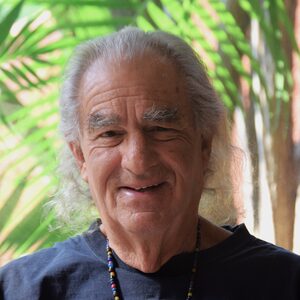
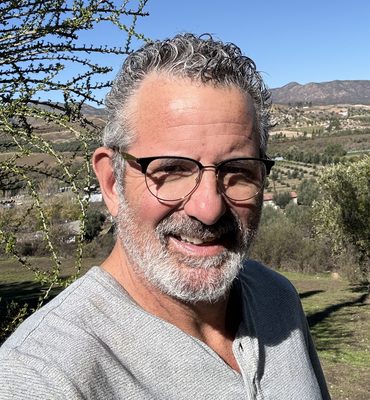
Barry Rossinoff, founder of IbogaQuest
Barry Rossinoff
Founder, IbogaQuest
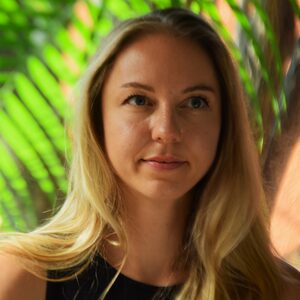
Nienke Berkenbosch, care and integration facilitator at IbogaQuest
Nienke Berkenbosch
Care and Integration Facilitator, IbogaQuest

Barry shared the deeper history behind IbogaQuest as well as the details of the clinic's evolving protocols. He spoke about knowing Howard Lotsof personally, about how the treatment landscape has changed from heroin to fentanyl, 7-OH kratom, and other new substances now on the market. And about why IbogaQuest has intentionally remained small for the past seventeen years. He's thoughtful and precise, the kind of person who has spent decades around this medicine and speaks about it without exaggeration.

Nienke Berkenbosch, one of the team's facilitators, described what the experience actually feels like from the inside. She spoke about the rhythm of the week, the importance of preparation and integration, the atmosphere the team tries to create, and why keeping the groups small allows patients to receive deeper attention and support throughout their process.

"It's almost like a boutique situation. We're not motivated by becoming larger. We want to continue becoming better and going deeper in the work. By treating only seven patients per month, we're able to give careful attention to each individual person and each unique process, from the preparation before arrival to the aftercare and integration that follows treatment."Barry Rossinoff, Founder, IbogaQuest

That has not changed since 2009, and it is not changing.

Who They Treat

About a third of IbogaQuest's patients come for addiction treatment, whether to substances or deeply rooted habitual patterns. The other two-thirds are a mix: PTSD, traumatic brain injury, depression, and what the team calls psychospiritual work. That last category is people who aren't in crisis exactly, but who want to make a fundamental change, or are seeking a rite of passage, and have decided ibogaine is how they want to do it.

The patient mix skews roughly 60 to 70 percent men, though that has been shifting. The clinic recently added an all-women's retreat offered a couple of times a year, focused exclusively on psychospiritual work in an all-female container. The standard monthly sessions continue to include women coming for all reasons, including addiction.

One thing hasn't shifted: IbogaQuest requires genuine self-motivation. If someone is coming because a family member is paying or pushing, the team is already hesitant.

On the right kind of patient
"You can't do this for someone else. The desire for change has to come from you, and ideally there's some real personal commitment involved."Nienke Berkenbosch, IbogaQuest

How They Run Treatment

Medical Screening

Before any deposit is accepted, applicants fill out an online form covering their psychological and medical history. A team member follows up by phone or video to assess fit. Once a deposit is placed to hold a date, preparation formally begins.

Applicants are required to submit a panel of medical tests before arrival. The clinical team reviews the results and must approve before anyone travels. The required panel is:

  • Blood pressure reading
  • EKG (including the graph)
  • Complete Blood Count (CBC)
  • Basic Metabolic Panel
  • General urinalysis
  • Liver function test

Patients over 60, or with specific medical conditions, may be required to add a heart stress test. If the screening turns up a disqualifier, the deposit is refunded.

The Medicine

IbogaQuest uses ibogaine HCl for addiction interruption work. The HCl is sourced from a lab that provides a certificate of analysis covering the full chain, from plant extraction to alkaloid purity. The reason they use HCl specifically: it is the most studied of the iboga alkaloids and the one with the clearest evidence for the addiction interruption effect. With organic preparations like purified total alkaloid (PTA), total alkaloid (TA), or root bark, the exact milligram-per-kilogram dose is harder to quantify, and the team needs to be sure they are hitting a specific saturation in the brain to produce what is called the "reset" effect.

For psychospiritual programs, or when a patient familiar with the plant requests it, the clinic will use a total alkaloid preparation. TA carries more of the supporting alkaloids and, for some people, produces an experience closer to the full-plant experience than isolated HCl. But it is not used for addiction interruption.

The flood dose is calibrated to each patient based on body weight, substance use history, current health conditions, mental and emotional readiness, and how the medicine appears to be working as the session unfolds.

Monitoring and Emergency Protocol

During every medicine intake session, the space is staffed by a physician, a nurse, and two paramedics. A fully equipped ambulance is on site. Blood pressure and pulse oximetry are monitored continuously. A cardiac monitor is used where clinically indicated, and a defibrillator is available on site.

The nearest hospital is about 20 minutes from the property. Transfer would be handled by the on-site ambulance team.

Over 17 years of operation, IbogaQuest has had to use the ambulance once. That call followed a patient who had given incomplete information about their substance use on the intake form, and the response led directly to stricter intake screening and drug testing. Nienke's framing of the safety philosophy: "Our strongest safety measures are preventative. Thorough medical screening, careful preparation, and precise dosing protocols." Roughly 1,300 patients over 17 years, one ambulance call. That is a strong record, particularly given ibogaine's cardiovascular risk profile.

The Seven-Day Program

The week has a deliberate rhythm. Each element follows from the one before it.

Monday
Intake. Patients arrive and settle in. They meet with the team and fellow participants. A therapeutic session prepares them for what's ahead.
Tue – Wed
The flood dose. After a final on-site medical check-up and clearance with the team, the primary ibogaine session begins. This is the largest dose of the week. Most participants spend the experience in the privacy of their own rooms, where they are continuously monitored by the medical staff while also being given the space to go deeply into their personal process without unnecessary interruption.
Wed – Thu
Recovery and somatic integration. Rest, massage, Janzu therapy (a form of water therapy), the Temazcal (a traditional Mexican sweat lodge), and hikes in the surrounding mountains. The intent is to bring people back into the body before the next session.
Friday
The booster dose. Approximately two-thirds the size of the flood. This is not a token follow-up. It is a substantial second experience, and it is the defining clinical decision in IbogaQuest's seven-day program.
Weekend
Integration. Rest, group integration circles, one-on-one sessions with a psychotherapist.
Sunday
Closing ceremony. The team walks patients through what comes next: the noribogaine window (the roughly two to three months after treatment during which noribogaine, ibogaine's primary metabolite, continues to be absorbed and active, responsible for the greatest neuroplastic window), the follow-up session schedule, and how to stay connected to the team.

The Friday booster deserves a direct explanation, because IbogaQuest arrived at it by trying the alternative first.

"We've experimented with various elements over the years. Our outcomes illustrate that having a second dose of ibogaine is much more effective than using any other substance."Barry Rossinoff, IbogaQuest

This is not an ideological position. Their patient outcomes were better with a second ibogaine dose on Friday than with anything else they tested as an adjunct. Barry said the results have been universally positive: the booster consistently helps patients integrate what surfaced during the flood, and it extends the depth of the experience rather than shifting the direction of it.

The team's position is also specific to the treatment week. After the week ends, patients are free to explore other medicines on their own; IbogaQuest does not take a stance on that one way or the other. During the seven days they are running, however, the protocol is ibogaine only.

The program is structured but not rigid. Patients are invited to participate in whatever feels right for them. "We want people to be comfortable and safe," Nienke said. "Most of the time, people really enjoy the flow of the week."

The Noribogaine Window

Noribogaine, ibogaine's primary metabolite, remains pharmacologically active in the body for roughly two to three months after a flood dose. This is the noribogaine window. It is where the actual behavioral work either consolidates or doesn't. The flood itself is the catalyst. What happens in the weeks that follow is the treatment.

IbogaQuest is direct with patients about this: a successful flood is not the same thing as a successful treatment. The team encourages active integration through the window, staying in contact with the integration team, working with a therapist at home, and avoiding the temptation to declare the work finished when the visions end.
"You can't do this for someone else. The desire for change has to come from you, and ideally there's some real personal commitment involved."
Nienke Berkenbosch, IbogaQuest

Treating the Hardest Cases

When IbogaQuest first opened, heroin was the primary presenting condition. Ibogaine and heroin were, in Barry's words, "like hand in glove," and the outcomes were often remarkably favorable.

That landscape has changed dramatically. Heroin first became contaminated with fentanyl, and eventually fentanyl largely replaced it altogether. Today, the hardest cases are fentanyl, buprenorphine (Suboxone), and methadone. Each one breaks the standard ibogaine intake in a different way.

Fentanyl is mostly a contamination problem. It is frequently cut with xylazine and other adulterants that are genuinely difficult to assess from a clinical screening, which means the team is sometimes preparing a patient for a substance load they cannot fully characterize. Buprenorphine and methadone are the opposite problem. Both have long half-lives, often more than a day, and both bind opioid receptors strongly enough to interfere with what ibogaine is trying to do. Patients on either typically need a structured taper to short-acting opioids, often over weeks, before ibogaine can be administered.

IbogaQuest's approach is to design a personalized protocol for every individual case, taking into account the person's substance history, physical condition, nervous system state, and overall treatment goals.

Another growing challenge is 7-hydroxymitragynine (7-OH), one of the active compounds in kratom. During the call, it was described as "a real plague" among current presenting cases. IbogaQuest has developed a protocol for working with 7-OH dependence, but it typically requires between two and three weeks of transitioning onto short-acting opioids or opiates (SAO) before ibogaine can be administered safely and effectively. The preparation process is carefully tailored according to how much 7-OH the person has been using and for how long.

For participants who require additional support during the pre-treatment detox and transition phase, IbogaQuest offers medically supported early arrival stays lasting up to 3 weeks: different accommodation, same town, same team.

Integration and Aftercare

After treatment, patients receive one to three integration sessions with a therapist or therapeutic team member. But the relationship doesn't end at discharge. The monthly participant cohort is small enough that patients form genuine connections with staff members. WhatsApp stays open. Calls happen when needed.

For patients who want professional support at home, IbogaQuest maintains a network of therapists who offer online sessions, including therapists in the US who can work within state insurance systems. The team prefers therapists with ibogaine-specific aftercare experience. When a patient's existing therapist or coach lacks that background but wants to help, lead therapist Cecil Tavera will reach out directly to brief them on what to expect and give them tools for working with post-ibogaine integration.

People refer to the experience as stepping into a family home for a week. Nienke described the feedback the team often gets at the closing ceremony: "At first, I couldn't believe how authentic you guys are. Just a bunch of good-hearted people who are there as part of their own journeys in life."

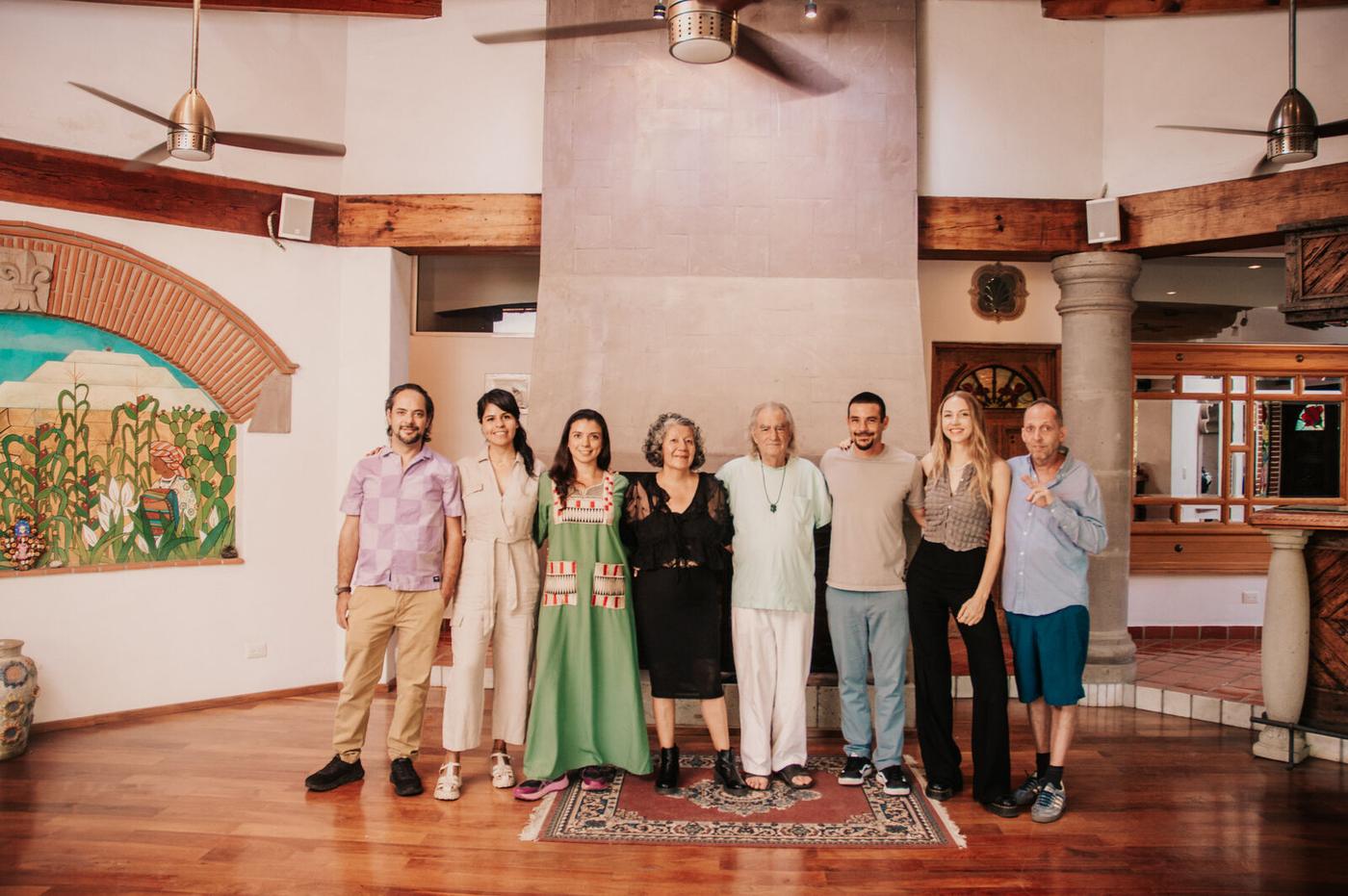
The IbogaQuest team at the property in Tepoztlán
The IbogaQuest team in Tepoztlán.

That atmosphere seems to come largely from the team itself. IbogaQuest has kept the same small core group around the work for years, and there is a noticeable emphasis not only on how patients are cared for, but on how the team cares for the work and for each other behind the scenes. Each person brings their own professional background, lived experience, and ongoing personal relationship with ibogaine or iboga, and several members have spent time in Gabon within the Bwiti tradition out of respect for the roots of the medicine and the people who have carried it for generations. Several are also in their own ongoing therapy or ceremonial practice, and the clinic treats that as a baseline rather than a bonus.

What Sets IbogaQuest Apart

The booster dose. Two doses of ibogaine in one week: the flood on Tuesday or Wednesday, a second dose at about two-thirds the strength on Friday. They've tried different protocols but this one stuck. Seventeen years of patient observation back it.

Cooperative, not-for-profit structure. The seven-patient monthly cap is not a capacity limitation; it is the point. IbogaQuest is not trying to scale. There is no profit motive pushing the number upward. That has practical implications for the quality of attention each cohort receives.

17 years of experience and direct Howard Lotsof lineage. Barry Rossinoff knew Lotsof personally through a mutual friend. Lotsof was the man who first documented ibogaine's anti-addictive properties in the 1960s, and Barry was in that orbit decades before IbogaQuest existed. That lineage runs directly to the person most responsible for ibogaine being taken seriously as a treatment at all.

Women's retreat. A dedicated psychospiritual retreat for women, offered twice a year. All-female team.

Programs & Pricing

Program Duration Price Notes
Standard Flood Program 7 days $6,500 – $13,500 Addiction interruption, PTSD, TBI, depression, psychospiritual. Includes flood dose (Tue/Wed) + booster (Fri). Range reflects substance use history, medical complexity, and whether a 5-day medically supported pre-treatment detox is added.
Extended Detox Program Up to 21 days Higher end of range For patients dependent on substances requiring medically supported pre-treatment detox (fentanyl, 7-OH kratom, others). Same team, different property.
Women's Retreat Contact clinic Contact clinic Psychospiritual focus. Offered approximately twice per year. No addiction or mood disorder cases.

What's Included

The program fee covers everything on-site: private accommodation (a posada-style room in the clinic's house), all meals, ground transport from Mexico City International Airport, the seven-day clinical and therapeutic program, the flood and booster doses, and all therapeutic modalities (psychotherapy, somatic work, sweat lodge, water therapy, integration sessions, closing ceremony).

Not included: flights to Mexico City, and the pre-arrival medical tests required for clearance.

Payment

IbogaQuest does not offer payment plans, and there is no sliding-scale or veterans' pricing as a standing program. The clinic is small enough that it cannot absorb the financial gap itself. Where treatment has been made possible for veterans or specific hardship cases, it has been because individual donors stepped in to cover the cost. That happens occasionally, not routinely.

The clinic books out roughly one to two months ahead and sets its full calendar of session dates at the start of the year. The 3-Day Reset program that appeared in earlier research is no longer offered. A possible reset format is being discussed internally but is not on the calendar.

What Surprised Me

The Friday booster. Not as a concept, but as a finding. The use of 5-MeO-DMT as a post-flood adjunct is a fairly common practice in the broader ibogaine space. IbogaQuest's clinical team chooses to focus on working with ibogaine. A second dose at two-thirds the strength, same week, same medicine. Their results were better. That is a specific, grounded clinical conclusion drawn from 17 years of observation, and it is barely mentioned anywhere in the ibogaine treatment literature.

The cooperative structure. I've talked to a lot of clinic operators. None of them described their clinic as a cooperative or not-for-profit in any meaningful operational sense. For IbogaQuest, it explains decisions that would otherwise look like missed business opportunities: seven patients per month instead of more, no growth plans, no second location. The structure is the strategy. Quality over quantity, authentic human relationships, and an ethic of care that comes from within rather than from a business model.

Eric's honest take
A direct line to ibogaine's documentation, and a clinical finding that deserves wider attention.

Barry's connection to Howard Lotsof is not background flavor. It represents a direct transmission from the person most responsible for ibogaine being taken seriously as a treatment. That lineage shows up in every structural decision IbogaQuest has made since 2009: the cooperative, the monthly cap, the emphasis on aftercare as non-negotiable.

The booster dose finding is the thing I keep coming back to. If that is a real signal, it deserves far more attention than it gets. Seventeen years of patient observation is not a small sample.

One caveat worth flagging for readers in crisis: IbogaQuest's cooperative model trades throughput for depth. Seven patients a month, one retreat week per month, books out roughly a month ahead. If a loved one is in active danger this week, IbogaQuest is not the clinic for next-week treatment. It is the clinic for considered, prepared treatment by people who get to know you before you arrive. That is the whole point of the structure. It is also a real constraint readers should know about.

Visit the clinic
IbogaQuest
ibogaquest.com
IbogaQuest property in Tepoztlán, Morelos

IbogaineAdvisor is independent of every clinic in this directory. We don't take referral fees, we don't sell leads, and we weren't paid to publish this profile. The link above goes directly to the clinic's website.

Eric Bozinny
About the author
Eric Bozinny
Eric founded IbogaineAdvisor after his own ibogaine treatment. He interviews every clinic featured in this directory personally: no paid placements, no affiliate arrangements.

Stay current on ibogaine.

New clinic profiles, research updates, and policy developments - when they matter, not on a schedule.