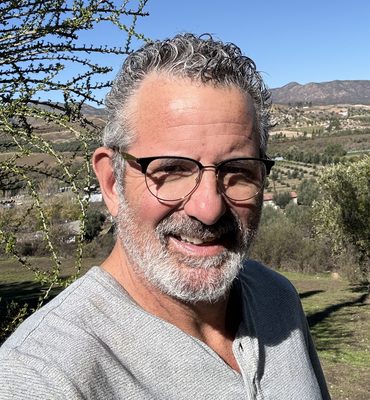
When Gavriel Dardashti was twelve years old, his mother received ibogaine treatment. His father, moved by what it did for her, started a clinic. That was twenty years ago. By the time Gavriel joined the business at twenty-one, thinking he understood what he was walking into. He quickly realized he didn't. Not yet.
"It requires a very mature understanding of a lot of things," he told me. "Just life experience. You've got to get some mileage under your belt." He's in his mid-thirties now. He has the mileage.
Ibogaine Clinic operates out of Playa del Carmen and has treated more than 3,000 patients across its twenty-year history. Gavriel's father founded it. His father still runs the business side. (The clinic's research arm operates out of Miami, which partly explains how a clinical operation in the Yucatán ended up presenting at Google Next.) Gavriel runs almost everything else: research, data, marketing, clinical oversight, expenses. The algorithm is the clinic's defining feature.
- Twenty years of operation, 3,000+ patients, and a proprietary dosing algorithm that learns from outcomes. The data depth shows in the dose calibration.
- Strictly ibogaine-only: no bufo, no 5-MeO-DMT, no ayahuasca. A feature for some patients, a constraint for others.
- Ibogaine micro-dose used as a bridge instead of opioid bridging — an unusual and clinically interesting alternative for patients coming off fentanyl, methadone, or Suboxone.
- Pricing $4,000–$20,000 depending on program. Sovereign Guardian Protocol for veterans. Integration acknowledged as a work in progress.
Who I Spoke With
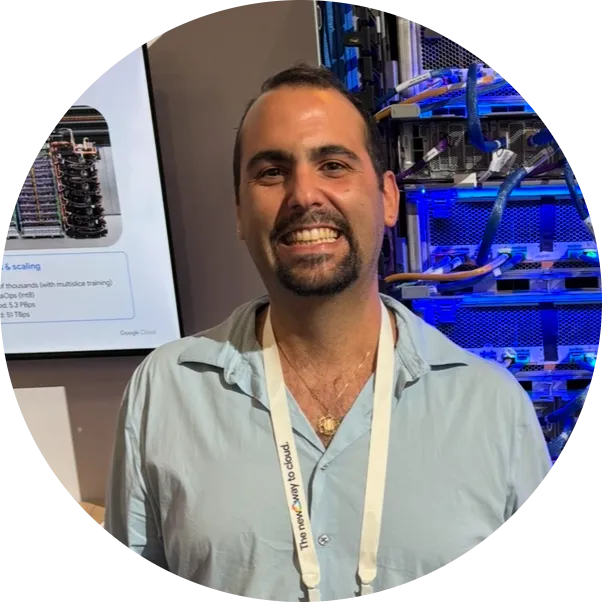
Gavriel Dardashti is the owner's son, a data scientist by training, and the person who will eventually take over the clinic when his father steps back. He describes his role with characteristic precision: everything but sales. He meets with scientific researchers, journalists, and physicians to validate clinical findings. He developed the software that drives their treatment protocol. He tracks profit margins and clinic expenses. He's also, clearly, someone who thinks deeply about what ibogaine actually does, not just clinically but psychologically and philosophically.
He mentioned Jungian psychology unprompted, talked about archetypes and the shadow, and connected them to what he sees in patients every week. This is not a clinic where the data science and the human work live in separate rooms.
The Clinical Team
The clinic's team page lists nineteen staff members. The key people for patients to know about:
| Name | Role |
|---|---|
| David Dardashti | Founder |
| Gavriel Dardashti | Lead Researcher & Data Scientist |
| Alejandro Villanueva | Chief Medical Doctor |
| Leslie David | Lead Psychologist & Therapist |
| Felipe Dzib | Nurse Supervisor |
| Cole Barressi | Chief Operations Officer (admissions & intake) |
| Serena Iturralde | Guest Experience & Support Lead |
| Antonio Lecuanda | Clinic Operations Manager |
"The best way I'd describe ibogaine is this: drugs numb the pain. Ibogaine takes the bandage off. It forces you to dwell within your emotions."Gavriel Dardashti, Ibogaine Clinic
Who They Treat
The patient mix at Ibogaine Clinic breaks down roughly like this, in order of volume: opioid addiction first, then trauma and PTSD, then depression, with alcoholism and neurological conditions like Parkinson's also represented. Gavriel noted that opioid addiction remains the primary case load. It's what he called "absolutely crucial," partly because it's the condition where the clinical need is most acute, and partly because patients seeking ibogaine for that purpose tend to be the most motivated to find it.
The clinic also runs a veteran-specific program called the Sovereign Guardian Protocol. When I asked Gavriel what makes it different from a standard trauma track, his answer was framed in the same Jungian terms that run through everything he does: veterans need to work through the hero archetype specifically in the context of wartime actions they took under conditions largely outside their control. It's a meaningful distinction. General trauma work invites the patient to reclaim the inner child. The Sovereign Guardian Protocol asks veterans to reclaim their identity as someone who acted with honor in circumstances that didn't always afford honorable choices. That reframe, Gavriel believes, is what ibogaine is uniquely positioned to help with.
Alcoholism, Gavriel noted, tends to present differently than opioid addiction. The treatment is less about detoxification (alcohol has a short half-life) and more about the introspective work. Parkinson's patients require a different approach entirely: very small doses administered over a longer period, sometimes up to three weeks.
How They Run Treatment
Patients arrive in Playa del Carmen and are picked up from the airport. Transportation is handled. The clinic runs between five and ten patients at a time, which keeps the staff-to-patient ratio high and the environment more like a private residence than a clinical ward. The first evening is intentionally low-key: a doctor's exam, bloodwork, urinalysis, and rest. The full treatment dose doesn't come until the following morning, after the body has had time to settle from travel.
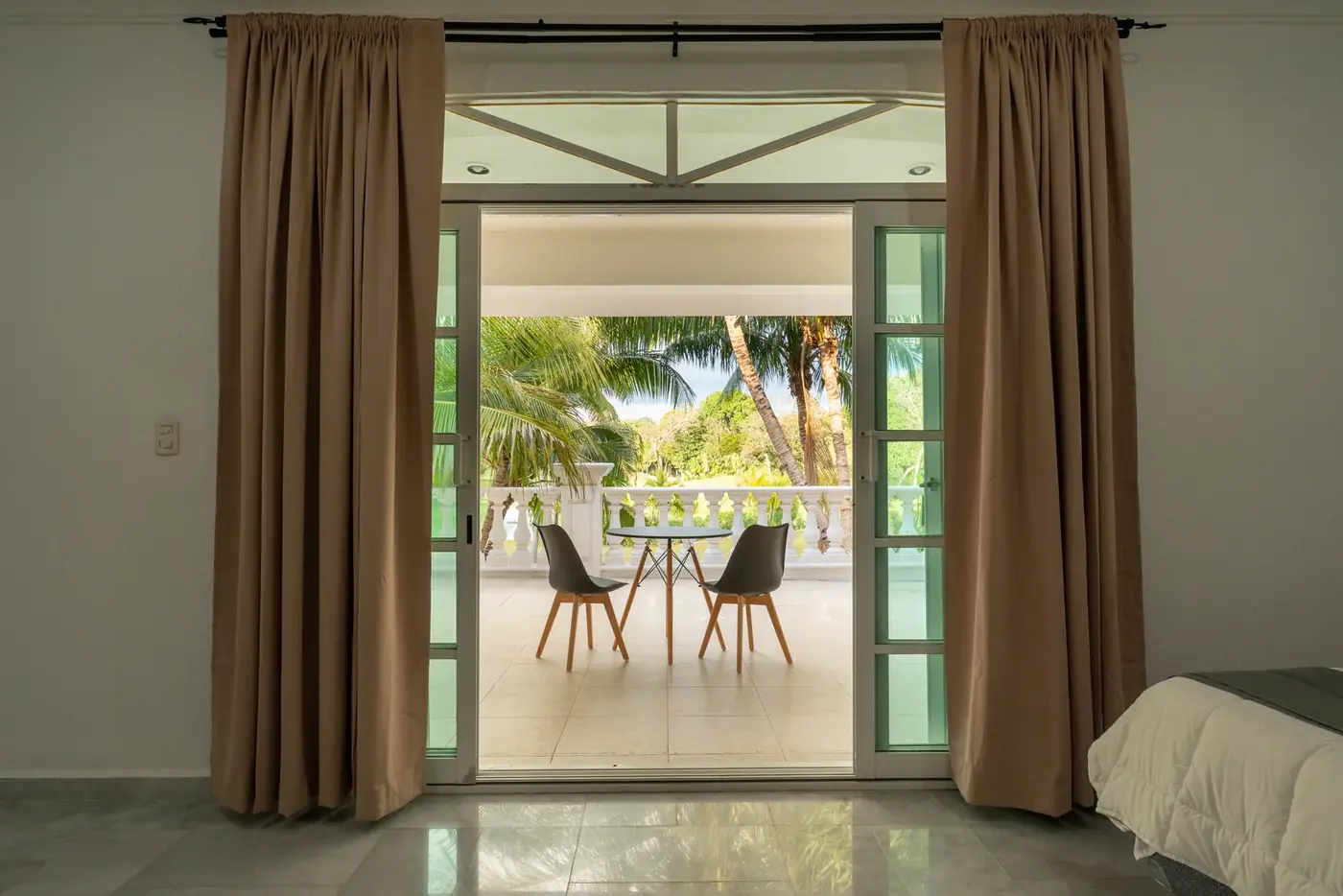
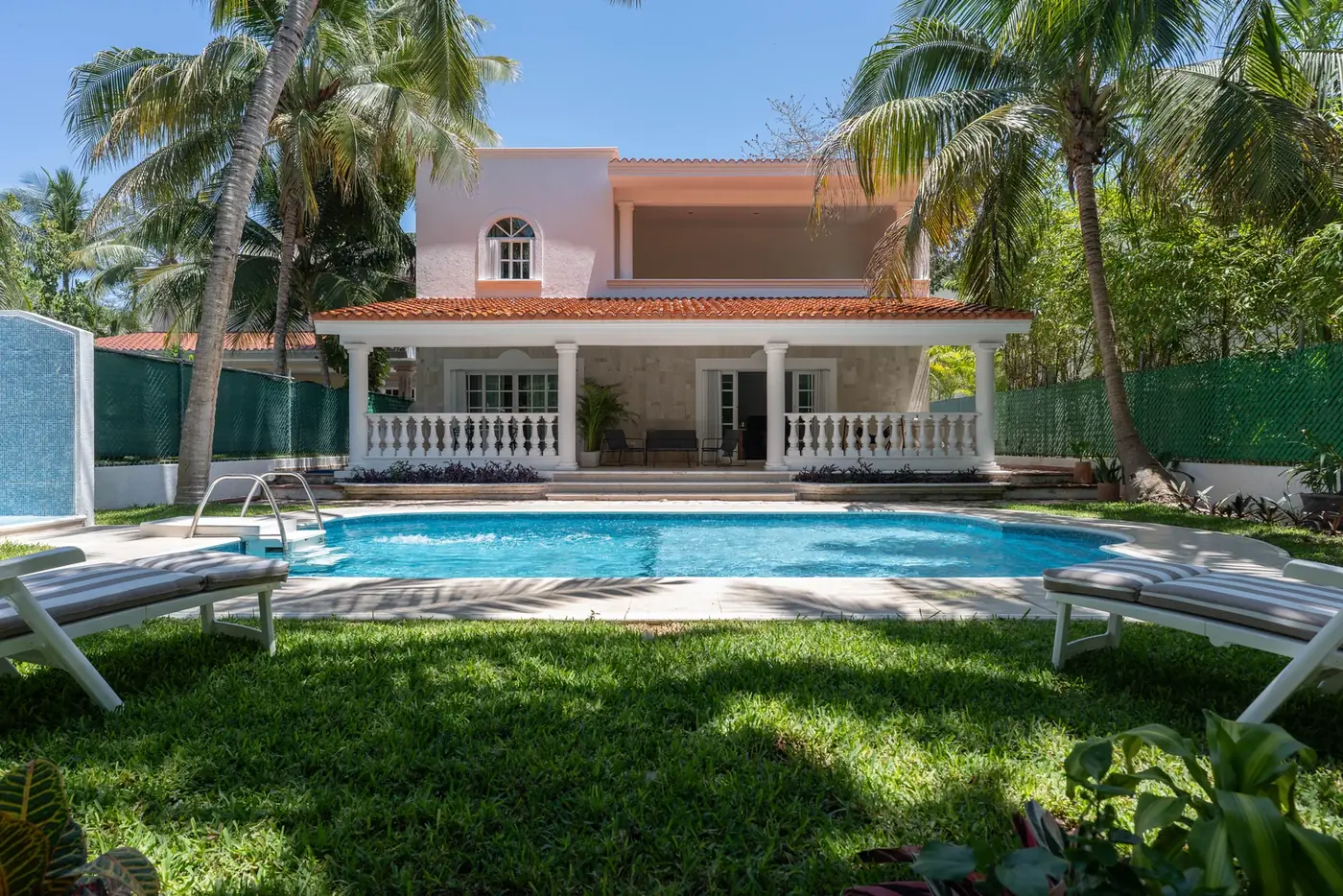
Medical staff are on-site around the clock. Beyond the clinical protocol, the clinic has built out a fairly full activity program: yoga, psychotherapy, integration sessions, sound healing, breathwork, and excursions to the beach, Mayan ruins, and cenotes, all managed by a dedicated activities director. Patients stay in private rooms. Meals are chef-prepared, three times a day. Family members are encouraged to come, and the clinic accommodates them with a small additional fee to cover expenses.
Ibogaine Clinic does not use 5-MeO-DMT (bufo) or any other psychedelics alongside ibogaine. Their position is strictly ibogaine-only, and Gavriel was direct about why: they don't want to introduce any additional risk of toxicity. "That is not one of our treatment protocols," he said. "No risks whatsoever." For patients specifically seeking a bufo or ayahuasca combination, this clinic isn't it. For patients who want a clean ibogaine treatment without the additional unknowns, that clarity has value.
One thing worth noting about the intake process: there is no mandatory pre-arrival call with a physician or therapist before you arrive. You show up, and the medical team starts from day one on-site. For some patients that's fine. If you're someone who needs a lot of information and reassurance before committing, factor that in.
Stay duration varies by presenting condition: trauma patients are typically there for five to seven days; opioid addiction patients, especially those coming off fentanyl or Suboxone, are there for a minimum of ten days, often longer; alcoholism can run anywhere from five days to three weeks depending on severity. Parkinson's can require up to three weeks of small, sequential doses.
That's a meaningful clinical distinction. Opioid bridging, using morphine or short-acting opioids to manage the half-life transition from fentanyl, methadone, or Suboxone, has been a common approach in pre-ibogaine detox. The risk with any opioid bridge is cardiac: adding more substances to a system already being stressed by ibogaine's effect on QT intervals. The ibogaine micro-dose approach avoids that risk almost entirely. With an EKG run immediately on arrival, the small booster dose carries, in Gavriel's words, "very minimal" cardiac risk. The patient arrives at the flood dose without additional opioid exposure in their system.
The new facility (launched December 2025) is also getting a gym and sauna, which turns out to matter more than it sounds. More on that below.
The Algorithm
This is the clinic's most distinctive technical asset, and it's worth spending some time on it.
For most of the history of ibogaine treatment, dosing was calculated the same way you'd dose any medication: milligrams per kilogram of body weight. Simple, standardized, replicable. Also, according to Gavriel's father, and now Gavriel: wrong. Or at least incomplete.
The problem is that ibogaine's effectiveness isn't a function of body weight alone. It's a function of a much longer list of variables: what substances the patient has been using, how much, for how long, what kind of trauma they're carrying, how old that trauma is, and the overall state of their physical health. A patient with a thirty-year-old trauma may, Gavriel explained, need more ibogaine than their body weight alone would suggest, because the medicine, in a sense, has to work further back.
Gavriel built a mathematical algorithm to account for all of this. He turned it into software. And over twenty years and 3,000 patients, that software has learned.
"Through each patient's data, we see what was effective. If the initial dose was something the person could handle more of, and that adjusts our algorithm. We're constantly refining based on outcomes."Gavriel Dardashti, Ibogaine Clinic
The output is what the clinic calls a Medical Efficiency Score: a target dosage calibrated to the specific patient, with the goal of maximizing therapeutic effect while minimizing the most common side effect (vomiting) and avoiding the most serious risk (cardiac stress from too high a dose). It is, in effect, a form of supervised machine learning applied to ibogaine medicine, built by someone who has been watching this data accumulate for over a decade.
The depth of the data infrastructure shows in the protocol. The algorithm refines with every patient, and the resulting dose specificity is grounded in 3,000 patient outcomes.
What They've Learned From the Data
Twenty years of patient outcomes produces insights you can't get any other way. A few that Gavriel shared:
More withdrawal before treatment produces better results. This was counterintuitive to me, and apparently took time to surface in the data. Conventional wisdom would suggest you want patients as stable as possible before their flood dose. What the clinic found was the opposite: patients who arrived deeper into withdrawal responded more effectively to ibogaine. They don't fully know why. But the finding has shaped how they think about timing.
Saunas speed recovery by roughly 20%. Gavriel discovered this the way most good clinical discoveries happen: by accident. He used to visit a steam room near the clinic himself, and one day brought a patient along. The improvement in that patient's recovery pace was noticeable enough that he tried it with others. The pattern held. Sweating, it turns out, appears to meaningfully accelerate the post-treatment recovery window. The new facility is getting a gym and sauna built in specifically because of this finding.
A reflection dose at three months reinforces the work. The clinic now offers what Gavriel calls a "reflection treatment," a smaller ibogaine dose administered about three months after the original treatment, at a discounted rate for returning patients. The purpose isn't to re-do the flood. It's to give patients a moment to consciously measure how far they've come, with some of ibogaine's introspective properties active, before the changes from the original treatment fully solidify or erode. It's a protocol they developed from their own outcome data.
Integration and Aftercare
Gavriel was unusually candid here, rare in a space where everyone talks about integration as a strength. His vision for post-treatment integration, he said, hasn't yet reached its potential. Getting the right people involved, building the infrastructure, and, perhaps most importantly, getting patients to actually do the work afterward has proven difficult.
"Some people don't want to put in any extra work on their end. The ibogaine is amazing by itself; it has miraculous benefits. But if people put in effort before and after, the benefits would increase exponentially."
Currently, the clinic offers alumni services: patients can stay in touch, reach out when needed, and arrange for aftercare via Zoom or phone calls. Gavriel acknowledged the limitation of remote support. He's personally more convinced of the value of in-person therapy than technology-mediated follow-up.
On the integration philosophy itself, the clinic's approach is grounded in Jungian psychology. The goal is not to have the therapist serve as caregiver to the patient, a model Gavriel believes is counterproductive and too common. Instead, the patient is guided toward becoming their own hero, their own protector of the inner child that early trauma damaged. The external support is scaffolding. The work is internal.
Brainwave tracking (measuring brain function before, during, and after treatment) is in development, with Google Cloud serving as the data infrastructure. Gavriel presented on this work at Google Next in 2025. It's not operational yet in the post-care tracking sense, but the ambition is real, and the technical foundation exists.
Programs & Pricing
Ibogaine Clinic doesn't publish a rate sheet, but Gavriel confirmed that pricing runs from $4,000 to $20,000 depending on program type and duration. Shorter trauma stays sit at the lower end; longer addiction detox programs with extended stays run toward the top. Contact Cole Barressi directly for a specific quote based on your situation — by phone at 1-800-818-4511 or by email at incoming@ibogaineclinic.com.
| Program | Duration | Price Range | Best For |
|---|---|---|---|
| Trauma / PTSD | 5–7 days | ~$4,000–$8,000 | Trauma, PTSD, depression, emotional work |
| Opioid Addiction (fentanyl / Suboxone) | 10–14 days | Mid-to-upper range | Fentanyl, Suboxone, heroin, opioid dependence |
| Alcoholism | 5–21 days | Varies by duration | Alcohol use disorder; length depends on severity |
| Sovereign Guardian Protocol | Program-dependent | Contact for rates | Veterans, active duty military, PTSD |
| Parkinson's / Neurological | Up to 3 weeks | ~$15,000–$20,000 | Parkinson's disease; small sequential doses |
| Reflection Treatment | 1–2 days | Discounted (returning patients) | Alumni follow-up dose, ~3 months post-treatment |
What's included: airport transportation, private room, chef-prepared meals three times daily, 24/7 medical staff, activities program (yoga, breathwork, sound healing, excursions to the beach, Mayan ruins, and cenotes), psychotherapy, and integration sessions. Family members are welcome to accompany patients for a small additional fee covering their expenses.
What Surprised Me
The ibogaine micro-dose as a bridge. This was a new protocol to me. Replacing short-acting opiates with a sub-perceptual ibogaine booster, keeping patients comfortable through withdrawal without introducing more opioid exposure, is a genuinely interesting approach to one of ibogaine's trickiest clinical challenges. The cardiac math supports it: the low dose carries minimal QT risk with an EKG already in hand, and it removes a variable from the flood dose calculation. Whether it produces better outcomes than an opioid bridge is something their data would need to answer. But the thinking behind it is sound.
Also surprising: the candor about integration. Gavriel said, plainly, that his integration vision hasn't yet lived up to its potential. That kind of honesty, in a sales context, is unusual, and it's the kind of thing I take as a trust signal.
This is the most technically sophisticated operation I've spoken with so far. The dosing algorithm alone sets them apart, not as a marketing claim but as a genuinely different approach to a problem every clinic has to solve. Twenty years of outcome data feeding a continuously refined model is something a clinic founded three years ago simply cannot replicate. If you're the kind of person who wants to know that the dose you're receiving is the product of rigorous, adaptive analysis rather than a standard formula, this is the clinic for that.
The strictly-ibogaine approach is worth noting as a differentiator in both directions. No bufo, no 5-MeO, no ayahuasca. For some patients, especially those nervous about layering multiple powerful substances or those with cardiac factors that make any additional compound a concern, this is a feature. For patients who have specifically read about the bufo-ibogaine combination and want that sequence, this isn't the clinic.
The integration gap Gavriel named honestly is real, and worth weighing. The clinic's strength is clearly in the treatment itself: the protocol, the dosing precision, the clinical infrastructure. The post-departure structure is lighter. Aftercare runs through an alumni network: patients can stay in touch and arrange Zoom or phone calls with the team when needed. That is not a disqualifier. Plenty of patients do their own post-treatment work, but it is something to factor in if robust ongoing support is high on your list.
One honest gap: there is no structured pre-arrival intake call with a physician or therapist before you arrive. The clinical relationship starts on day one. That is a smaller concern for straightforward cases; it matters more if your situation is medically complex.
IbogaineAdvisor is independent of every clinic in this directory. We don't take referral fees, we don't sell leads, and we weren't paid to publish this profile. The link above goes directly to the clinic's website.