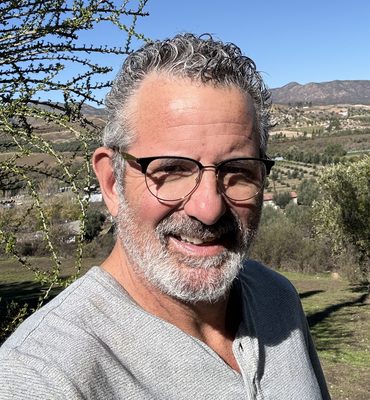
A man arrived at Rite of Passage Mexico in the late stages of liver failure. His hepatitis C had progressed to the point where his doctors had given him about six months. His liver enzyme numbers, Luis Ortega told me, were the kind that make you think there's no coming back. While he came for ibogaine to help with his heroin addiction, due to his liver issues, he needed a more holistic treatment beyond what ibogaine alone could help with. Luis's business partner Edith Valenzuela — a nurse and the clinic's co-founder — put him on a regimen: five coffee enemas a day, nothing but raw vegetables, fruits, protein shakes, and fresh juice. Eight to ten days of this. Within that window, his liver enzymes dropped by half.
That was the moment Luis became a believer in the holistic approach. Not an ibogaine convert — a believer in the idea that what you do before and around the medicine matters as much as the medicine itself. That conviction is now baked into everything Rite of Passage does.
I spent about 30 minutes on the phone with Luis. He's a former Mexican Marine Corps veteran — infantry, then special operations, 2006 to 2012, injured in the field — who became a paramedic and nurse after his retirement, then stumbled into ibogaine work while looking for a nursing job in Tijuana. He has ten years in this space. He's not loud about any of this. He talks like someone who has seen what actually works and isn't interested in convincing you of anything that hasn't.
- Four-patient capacity, 14-day program with nine days of preparation before ibogaine. Luis screens patients personally on intake.
- No opioid bridging in over six years — NAD+ IV protocol handles detox instead. Cardiologist stress test before flood dose.
- Sequence: ibogaine cuts the weeds; bufo clears the field; ayahuasca plants the seeds. Used deliberately, not as a comfort blanket.
- Inverse demand pricing: $10,500 standard, $8,500 if you book when others are already confirmed. Veteran fit is strong — Luis is a former Mexican Marine.
Who I Spoke With
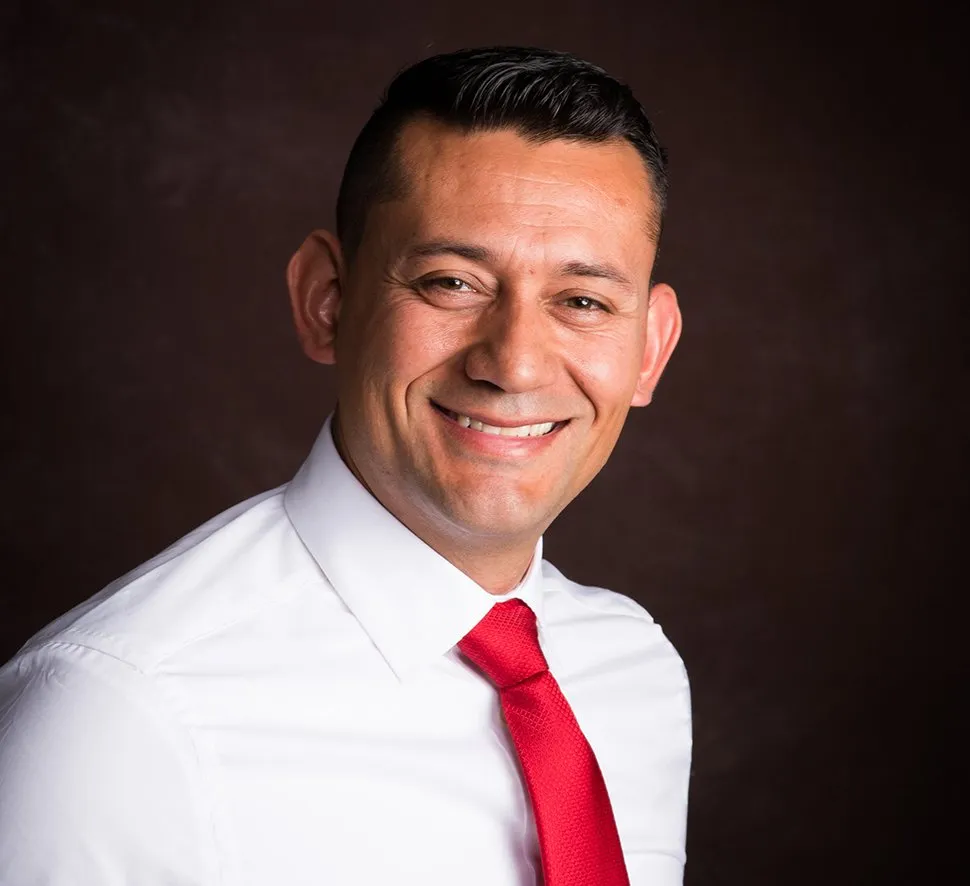
Luis Ortega is a co-founder of Rite of Passage Mexico, along with his business partner Edith, who he describes as the pioneer of their holistic approach. Both are nurses. Luis grew up partly in Dallas and speaks with a fluency in English that makes the conversation feel easy — he explains dense clinical ideas without losing you, and he's unusually direct about what he thinks and why.
Before starting Rite of Passage, Luis and Edith both worked at another clinic in the Rosarito area. They left when the owner began prioritizing revenue over patient safety — extending stays unnecessarily, administering additional doses without clinical justification, ignoring patient wellbeing. They tried to correct it. When they couldn't, they walked. It's the second time I've heard this exact story from a clinic founder in Mexico. There seems to be a generation of practitioners who learned what they believed in by first watching someone else get it badly wrong.
"If you get rid of the cravings and the withdrawal, but the patient still has insomnia, still has anxiety, still has blood chemistry issues — those are factors for relapse. Their general state of health is an important factor on a patient's recovery."Luis Ortega, Co-Founder, Rite of Passage Mexico
Who They Treat
About 60 to 70 percent of Rite of Passage's patients come for addiction — opiates, alcohol, fentanyl, benzos. The remaining 30 to 40 percent are there for trauma, PTSD, anxiety, and depression. Luis mentioned that the veteran population has been growing, driven largely by the wave of ibogaine-focused podcasts and documentaries that have reached that community over the past few years.
One filter that's non-negotiable: patients must want to be there. Luis screens personally on intake calls. If a family is trying to push someone into treatment who isn't actually ready, he won't take them. He described it this way — if he tells someone they won't be allowed to smoke or use any nicotine during their stay and their reaction is "whatever it takes to get my life back," that's a patient who's ready. If the reaction is resistance, he moves on. With only four beds at a time, he can afford to be that selective. He is.
How They Run Treatment
The full program is 14 days. What defines the program happens in the first nine of those days, before the flood dose of ibogaine.
Opioid bridging, putting patients on morphine or oxycodone to manage the half-life conversion away from fentanyl, methadone, or other long-acting substances, has historically been one approach to pre-ibogaine detox. Rite of Passage stopped using opioid bridging more than six years ago. Instead, the first three days are focused on bringing the withdrawals down by using high-dose NAD+ IV infusions, kambo, bufo, ibogaine boosters, PEMF therapy, coffee enemas, clean diet, juicing, and daily exercise. The goal is to flush the body, stabilize blood chemistry, and enter ibogaine from the healthiest possible baseline.
That morning-after description stood out. Most ibogaine patients spend the day after treatment exhausted and disoriented, which is considered normal. At Rite of Passage, the preparation protocol apparently changes this dramatically enough that Luis mentioned it as a differentiator without being prompted.
For benzo patients, the protocol is different: a 3-to-5 day medically supervised taper before treatment. Luis was clear this isn't optional — benzos carry real seizure risk, and there's no workaround. For patients still actively using fentanyl or other short-acting opioids, the NAD+ protocol handles the detox. He said they haven't seen acute withdrawal in over six years.
The medical infrastructure during the stay includes Luis and Edith, a team of nurses, a physician who conducts intake exams and visits pre- and post-ibogaine, full blood panels, an EKG on day three, and a cardiologist who performs a stress test before ibogaine is administered. The stress test is a meaningful safety addition for an outpatient ibogaine setting. It screens for cardiac risk that an EKG alone can miss, particularly in patients with longer substance-use histories or undisclosed cardiovascular conditions.
The Medicine Sequence
Here's a typical schedule for a patient at Rite of Passage:
Ibogaine, in his framing, is a logic medicine. It works neurologically — resetting the pathways that drive compulsive behavior and unsticking the trauma loops that keep veterans and PTSD patients locked in the same patterns. What it doesn't do is replenish serotonin or endorphins. Patients who've been on opiates, benzos, alcohol, antidepressants, or methadone often come out of ibogaine feeling better but not joyful. Something is still missing.
His take on bufo was more nuanced than I expected. He uses it after ibogaine for most patients, and as a second session for opiate users who benefit from the reinforcement. He was clear about a misuse he sees as common: using bufo as a comfort tool when a patient comes out of ibogaine feeling flat or depressed. At Rite of Passage, the second bufo session is deliberate and sequenced, not a way to take the edge off. For patients where serotonin replenishment is the main need, he skips the second bufo entirely and runs two ayahuasca sessions on days 13 and 14.
One detail I found genuinely surprising: the second bufo session — the one that comes after ibogaine — is more intense than the first, not less. The first tends to be overwhelming, sometimes a near-blackout. The second, after ibogaine has done its work on the receptors, is where patients actually come away with clarity and lessons. That sequence is counterintuitive, and I hadn't heard it described that way before.
Integration
Integration at Rite of Passage is more personal than structured. Luis works directly with each patient throughout the 14-day stay, before, during, and after treatment. He does one-on-one sessions, takes patients to the gym with him, and has even brought patients to his martial arts classes. The consistency matters: by the time a patient goes into ibogaine, they already know Luis, they trust the environment, and he already knows their baseline.
That baseline matters in ways that are easy to underestimate. Most patients can't see their own change in the immediate aftermath of treatment — other people see it first, or it becomes clear only later. Having someone who knew you going in, who can point to specific differences coming out, is a different kind of support than a therapist you've just met.
Before discharge, Luis goes through a structured list of changes with each patient — things that need to happen at home for the window to hold. He's direct that this is where many patients relapse: not because the medicine failed, but because the life circumstances that drove the addiction didn't change.
Programs & Pricing
Rite of Passage publishes their pricing directly on their website. There is one program, the full 14-day protocol, and the price depends on timing.
| Program | Duration | Price | Notes |
|---|---|---|---|
| Standard Program | 14 days | $10,500 | Full protocol: prep, ibogaine, bufo, ayahuasca, kambo, integration |
| Group Rate | 14 days | $8,500 | Available when at least 2 other patients are already booked |
The group rate is worth understanding. Rite of Passage lowers the price when the house is fuller, because the fixed costs of running four beds get spread across more patients. Luis describes the pricing model on the clinic's site as an ibogaine center that brings the price down in higher demand. The underlying logic is straightforward: more patients sharing fixed costs means a lower per-patient rate. It reflects a certain kind of thinking about how to run a clinic.
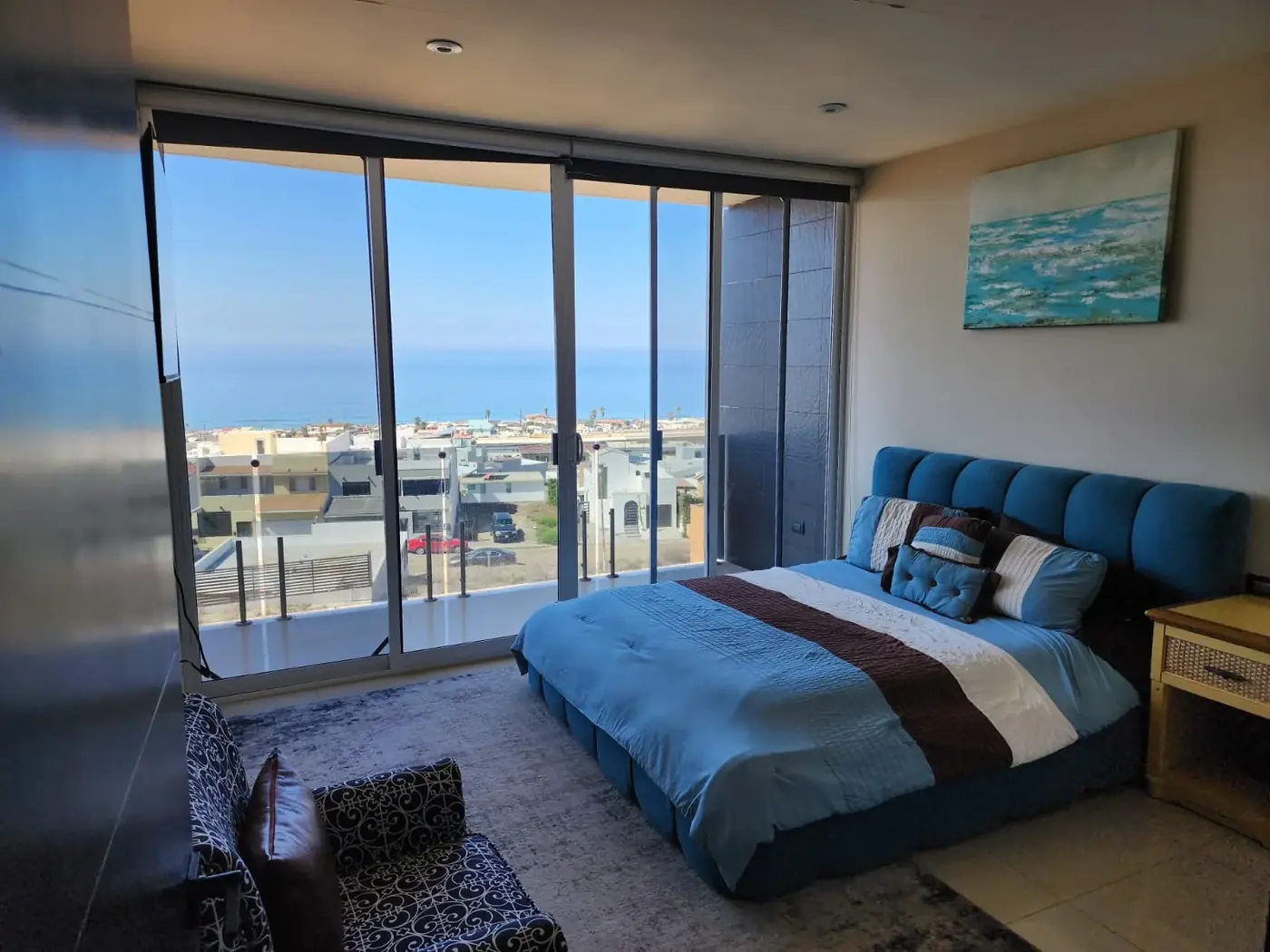
What's included in all programs: transportation to/from San Diego, private room with private bathroom, all meals, full medical supervision, NAD+ IV infusions, pre-treatment preparation protocol, ibogaine HCL treatment, bufo session(s), ayahuasca sessions, integration work throughout the stay. Pricing confirmed from their website; contact the clinic to verify current availability and group rate eligibility.
What Surprised Me
The hepatitis C story at the top of this piece surprised me, but what surprised me more was how casually Luis told it. It wasn't a headline moment for him. It was just the thing that happened that made him pay attention. That kind of quiet conviction — belief built from observation rather than marketing — is what I'm trying to find when I talk to these clinics. You either have it or you don't.
The other thing that stayed with me: Luis's military background isn't incidental to the work he does. He came back from a decorated Marine career injured, navigated his own re-entry into civilian life, and ended up working directly with patients who are going through their own version of that transition. That lived experience doesn't show up on a website. It shows up in how he talks about the people he treats.
Rite of Passage is a small clinic running a serious protocol. Four patients at a time is a real constraint — you may need to wait, and you won't get in unless Luis decides you're ready. That selectivity is a feature, not a flaw. It means the people who do get in are surrounded by others who genuinely want to be there, and they have Luis's full attention for 14 days.
The preparation protocol is the real differentiator here. Nine days of NAD+, clean diet, coffee enemas, and daily exercise before ibogaine isn't a wellness add-on. It is a clinical philosophy about why people have better experiences and better outcomes. Luis described morning-after results plainly: patients up, showering, having coffee. That is a striking claim, worth testing against any patient who has been through ibogaine. If it holds, the preparation logic holds with it.
The veteran fit here is strong. Luis is a former Marine who was injured in the field. He's not performing empathy for that population — he's lived an adjacent version of what they've been through. For a veteran who needs to trust the person across the table before they can open up, that matters.
At $10,500 — or $8,500 if you time your booking when other patients are already confirmed — this is competitive for what's included. The inverse demand pricing is genuinely unusual and worth paying attention to: if you're flexible on timing, ask what's already booked.
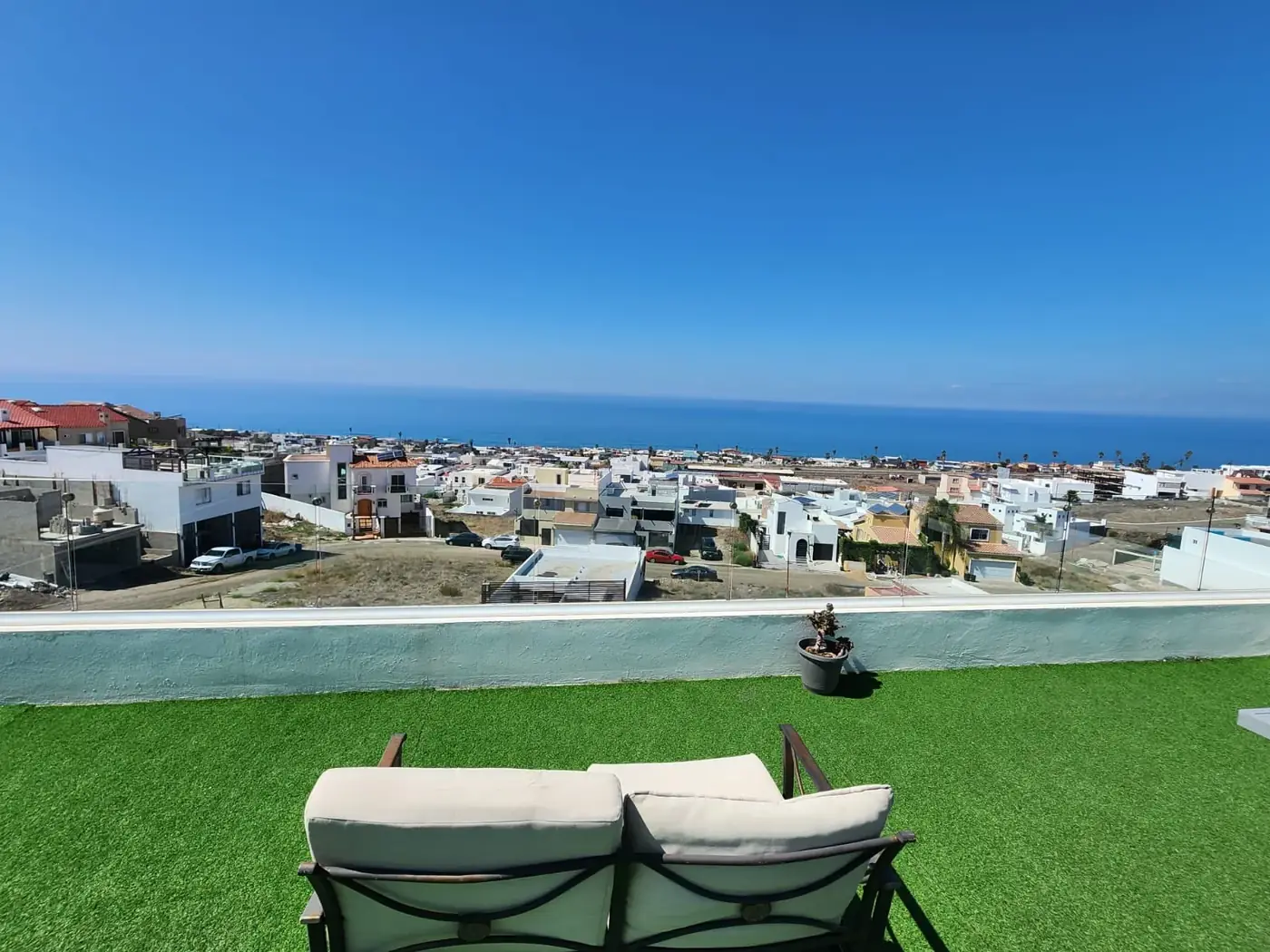
IbogaineAdvisor is independent of every clinic in this directory. We don't take referral fees, we don't sell leads, and we weren't paid to publish this profile. The link above goes directly to the clinic's website.