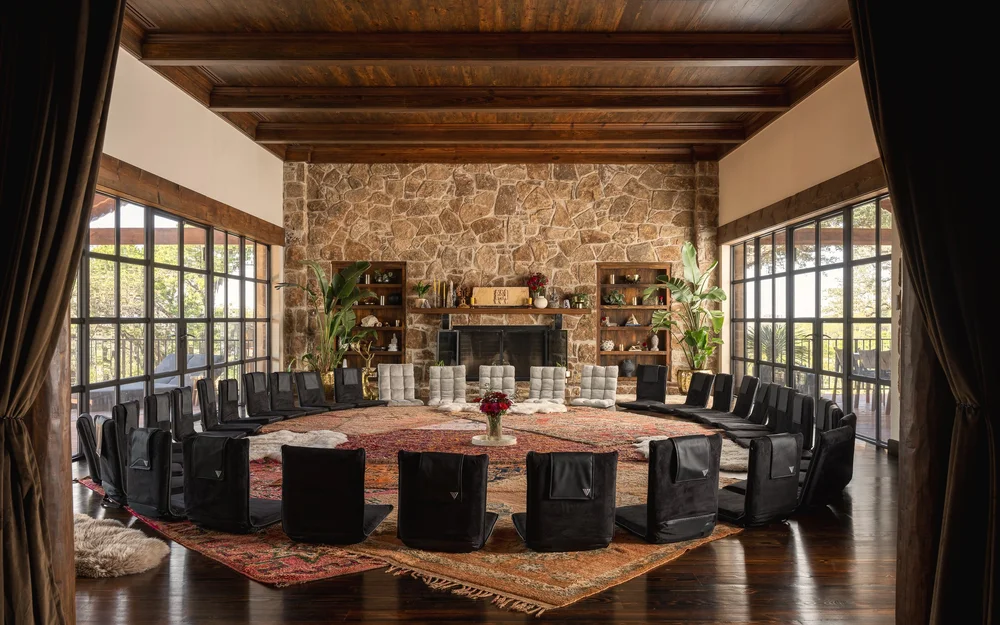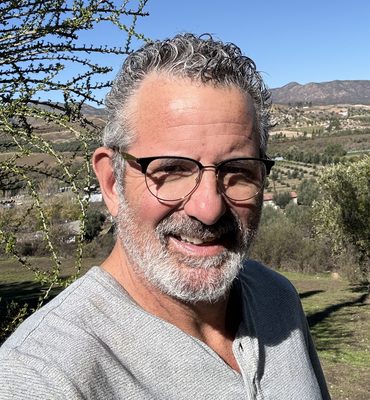
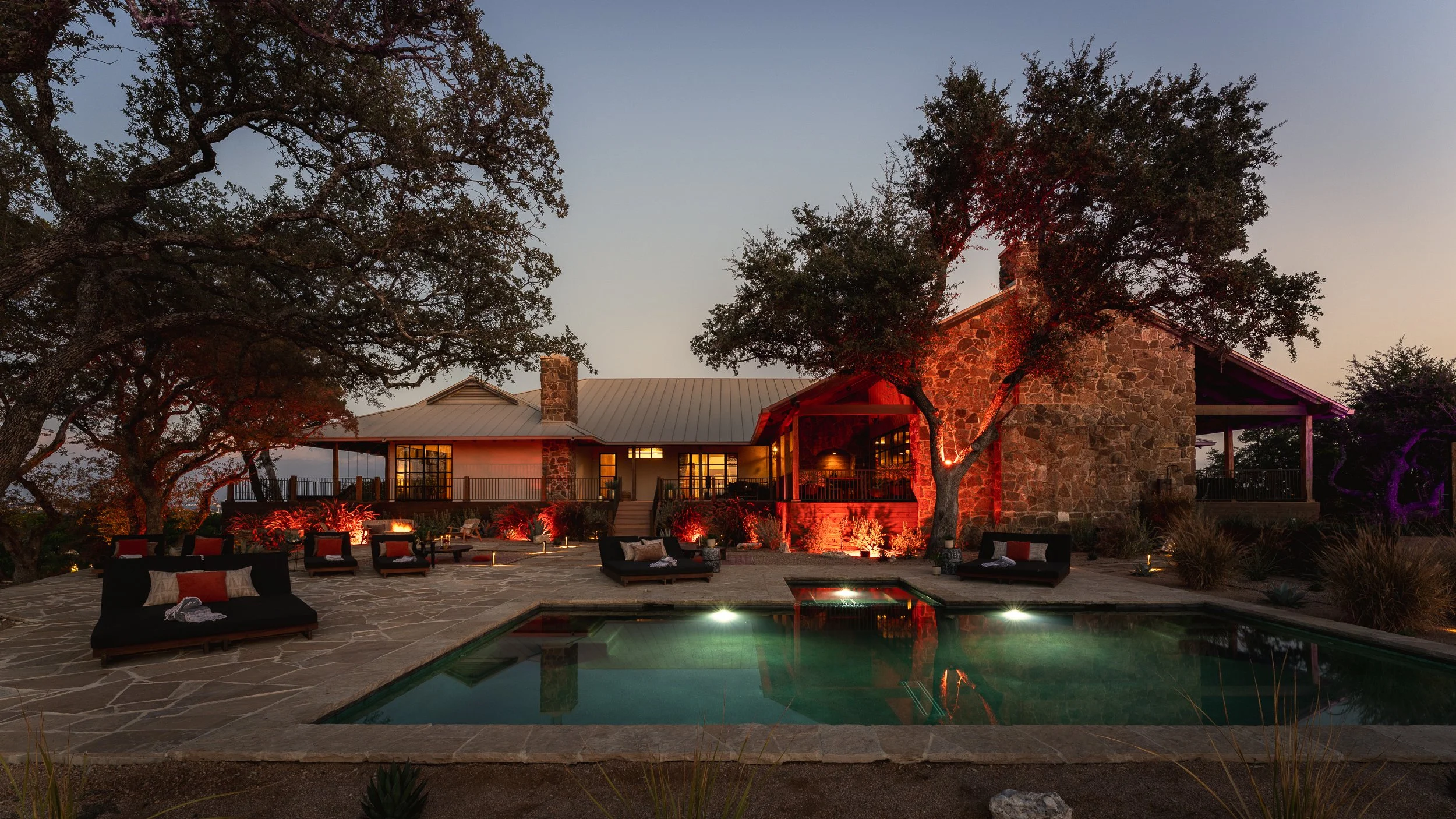
There's an altarpiece at every TICo ceremony for a man named Jacob.
Jacob was Lakota. He gave Justin LaPree his first ounce of mushrooms in December 2018. He was not a veteran or a first responder, just a beautiful soul who was struggling, and struggling in the shadows. A chameleon. The kind of person who could mask exactly what was going on while you sat with him for hours.
Justin tried and tried to get Jacob to come work with the medicine. Jacob never said yes.
He killed himself a couple of years ago. Years before that, he had quietly removed the rounds from Justin's gun. Justin pulled the trigger. The gun was empty. He only found out later that it was Jacob who had done it.
"If I didn't meet Jacob," Justin told me, "man, I don't know. It's scary to think about."
That is the thing about this work. The people who save your life sometimes cannot save their own.
The Defense
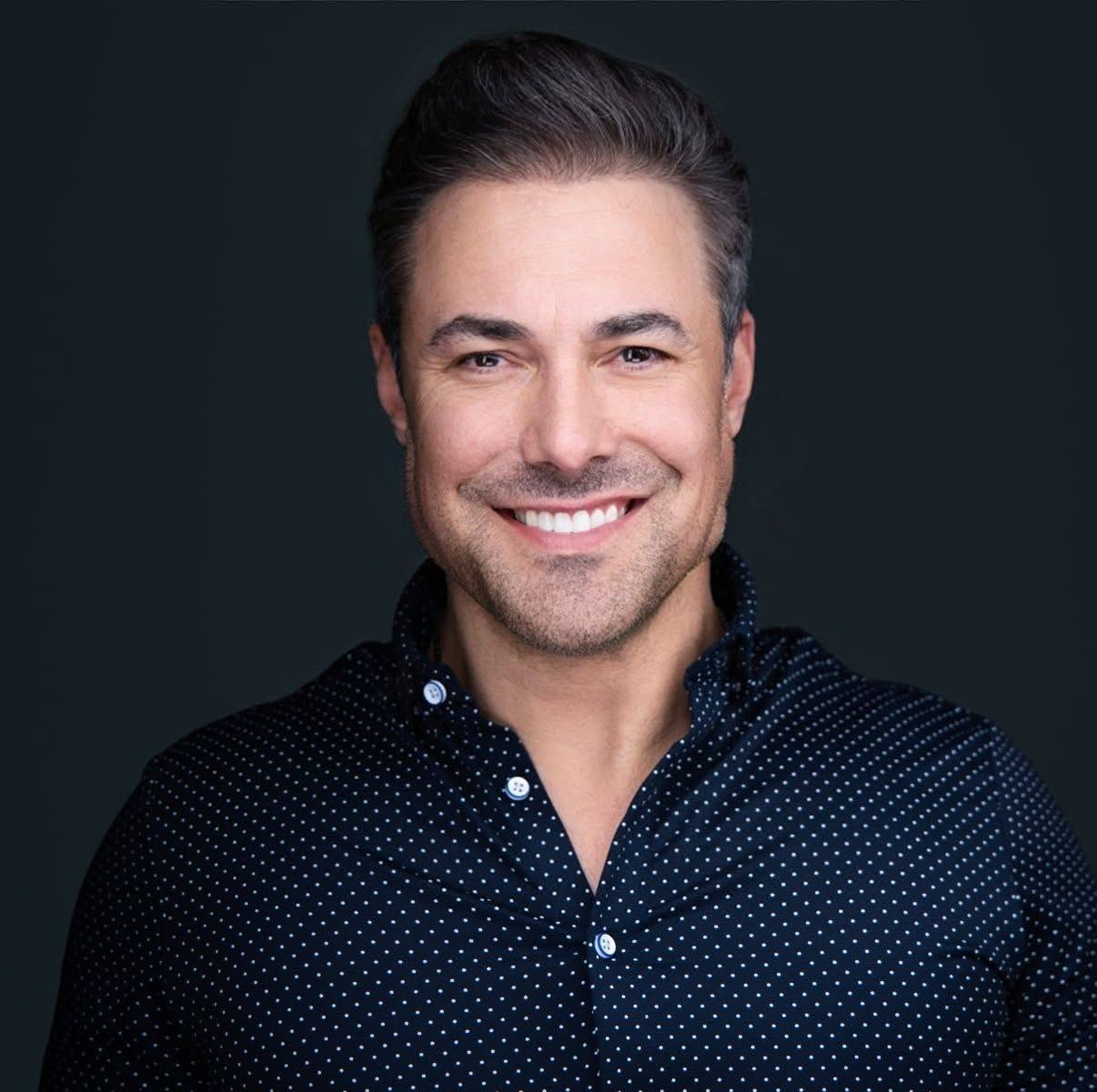
Justin LaPree is the founder of The Illuminating Collective, TICo, a multi-sacrament entheogenic sanctuary operating in Austin, Texas. TICo serves ibogaine, iboga, mushrooms, MDMA, ayahuasca, 5-MEO, and cactus, each medicine led by experienced facilitators with deep knowledge of the sacrament. He is doing all of this legally, on American soil, right now.
The legal framework is the Religious Freedom Restoration Act, passed by Congress in 1993. RFRA was a direct response to a Supreme Court ruling that had stripped minority religious practices of meaningful protection, holding that neutral, generally applicable laws did not trigger strict scrutiny even when they burdened sincere religious exercise. Congress disagreed and passed RFRA to restore the standard: the government cannot substantially burden a sincere religious practice unless it can demonstrate a compelling interest and has no less restrictive means to advance it.
The case that opened the door for entheogenic churches came in 2006. In Gonzales v. O Centro Espírita Beneficente União do Vegetal, the Supreme Court ruled unanimously that the federal government could not seize the hoasca sacrament of a Brazilian ayahuasca church operating in New Mexico. The Controlled Substances Act did not automatically override sincere religious use. The DEA lost. The church kept its medicine. Since then, the entheogenic church model has expanded steadily, operating in the space between what is practiced and what the regulatory system has gotten around to pursuing.
TICo is structured as one of these churches. The sacraments are the medicines. Justin partners with academics, speaks at universities, and operates with full transparency, not because RFRA requires those things, but because a documented record of sincerity is itself part of the legal defense. He thinks about this framework the way a veteran thinks about a defensive position: he has been building it for years, and by the time anyone comes looking, the wall is going to be too high to breach.
One question almost everyone asks: do you have to join the church to participate?
Yes. Participation does require formal membership in The Illuminating Collective. Before engaging in ceremony, each participant reviews and affirms TICo's Statement of Beliefs and religious framework. Justin is careful about what that means and doesn't mean. It isn't a conversion requirement, and it isn't a demand that someone leave another faith tradition behind. What it reflects, he says, is a sincere willingness to engage in TICo's spiritual practices within the context of the church. The legal protection flows from the First Amendment and the sincerity of the religious exercise. The membership process is how that sincerity gets documented.
They are not alone. Attorneys who specialize in entheogenic church formation estimate that at least 70 such churches have been established across the United States since O Centro. The vast majority operate without formal DEA exemption, which, according to Government Accountability Office data, the agency issued zero times through its formal petition process between 2016 and 2024. Attorneys who work in this space are careful with their language: RFRA makes these operations defensible rather than formally legal. The distinction is real, and the church leaders who understand it build accordingly.
The defense has been tested repeatedly. Since O Centro, churches have been raided, had sacraments seized at the border, and faced criminal prosecution. The track record is instructive. In 2009, a U.S. District Court extended the O Centro logic to an Oregon chapter of the Santo Daime church. In 2024 alone, two churches reached federal settlements affirming their right to use ayahuasca under RFRA, the Church of the Eagle and the Condor and the Church of the Celestial Heart, bringing to four the total number of federally recognized psychedelic churches in U.S. history. In August 2025, a federal judge in Utah halted criminal prosecution of a psilocybin church and its founder, finding the case had been brought "in bad faith as part of a larger effort to harass Plaintiffs for their entheogenic religious practices." The government has not stopped pushing. The churches have mostly won.
Austin has emerged as one of the more active nodes in this network. Texas has the largest veteran population of any state in the country, and the combination of that community with a broader cultural openness to alternative healing has made the region fertile ground. TICo is based in Austin. The All Tribes Medicine Assembly, known as ATMA Church, also serves the Austin area. The Neo-American Church, one of the country's oldest entheogenic organizations, has roots in Austin going back decades. Each operates under its own version of the same legal architecture Justin has spent years reinforcing.