
Perspectives

The Convert

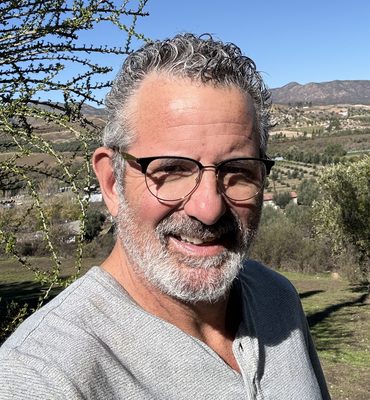
Charles Johnston was a Mormon missionary before he was a heroin addict. He found ibogaine in a room in Tijuana in 2013. He has been preaching ever since. Just finally for something he believes in.

A figure sitting in quiet solitude beside a river in the Atlantic Forest of Paraty, Brazil

There is a little room in Playa de Tijuana where Charles Johnston’s life broke open.

He had taken a bus down from Las Vegas on his last school stipend, having been arrested in a Target on New Year’s Eve of 2012, stealing, like he had been stealing for months, to keep the heroin going. He was flunking out, losing everything. He had been riding freight trains through the Pacific Northwest when he could think of no other way to detox. He had made ayahuasca on his stove, smoked DMT many days in a row, tried everything his years with psychedelics had given him to try. A man in a park in Portland had mentioned ibogaine six months earlier. Said it had gotten him off heroin years back. Charles thought: maybe this is real.

The session in Tijuana gave him no visions. What it gave him was six hours in a little room with himself and nowhere to go.

“I hate myself,” he said. “I really, really hate myself. That’s the crux of all of it.”

He purged. He wept for hours. He had two rough days. On the third day he woke up. “I woke up and I was 2.0.”


That was early 2013. Charles Johnston is now in Paraty, Brazil, in the Atlantic Forest, running Nekawa Ibogaine Treatment Centers with his partner Tatiana Aya Tupinambá. Paraty is a colonial town wedged between mountains and the sea, three hours from Rio de Janeiro, one of the more beautiful places in the Western Hemisphere. They found a retreat center there, built into the jungle with rivers and trails, and began operating in June. Just three months ago. One person in June. A couple in July. Still figuring it out.

The ibogaine has to be imported from Africa by prescription. A physician writes the order, it clears, it takes a few weeks. When it arrives, patients drive to a hospital in town for the treatment days, monitored by cardiologists, then return to the jungle campus for what comes next. It is logistically complicated. It is also, Charles will tell you, the point.

The Missionary
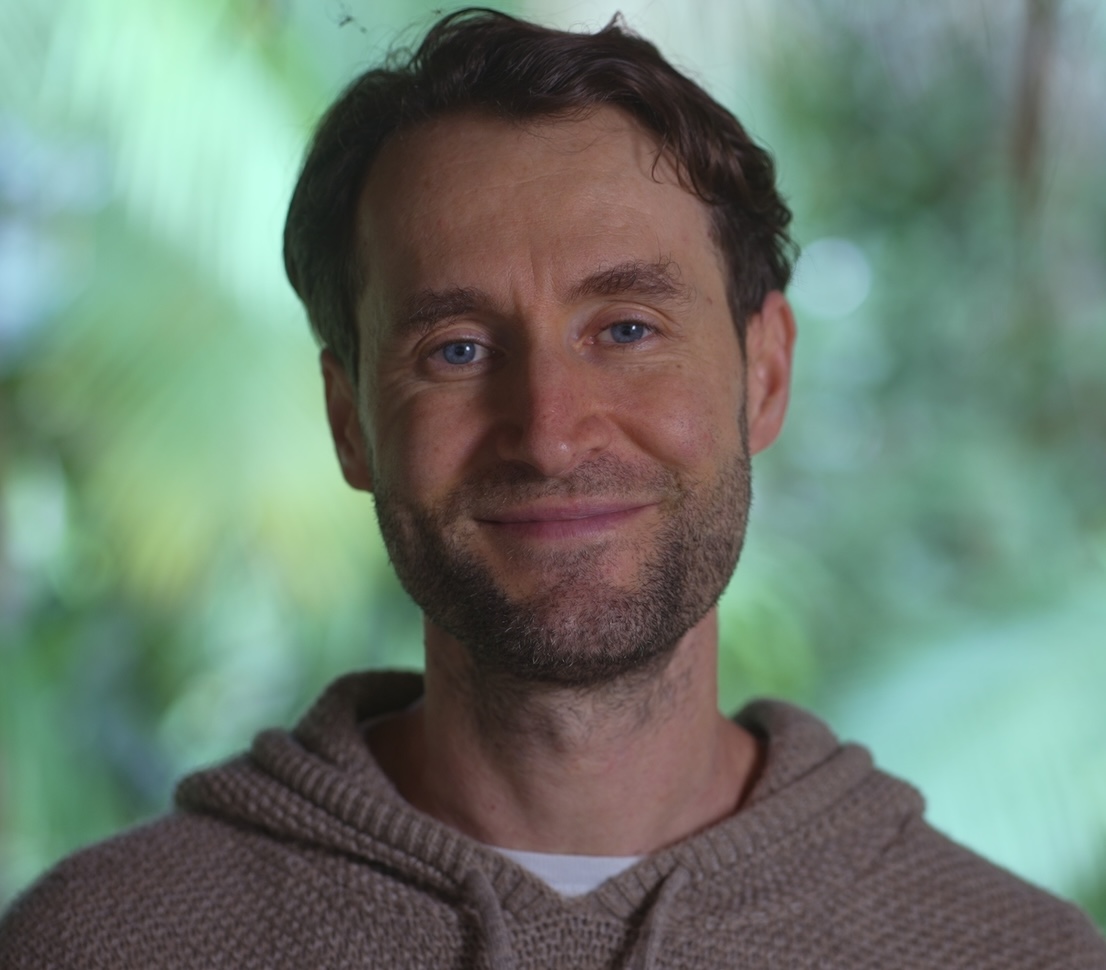
Charles Johnston, founder of Nekawa Ibogaine Treatment Centers
Charles Johnston, founder of Nekawa Ibogaine Treatment Centers.

Charles grew up Mormon in Appalachia. Left the church in his early twenties, discovered psychedelics, spent the next seven years trying to find what they could do. He studied anthropology and thought he might be a doctor. He read widely.

After ibogaine, he came back to Los Angeles, hired developers in India, built a website, and tried to start running people to Mexico: renting Airbnbs in Tijuana, hiring the nurse who had treated him, bringing friends and family through. He did that for six months, had a few clients, and ran out of money. Then he got recruited to work as the sales and marketing guy for a new clinic funded with Texas money. This was 2013, back when Crossroads and Clear Sky were the names everyone knew.

“It reminded me of when I was a Mormon missionary. But I actually cared. I actually cared about what I was doing now. I really believed in it.” Charles Johnston

The skill set was already there.

He spent the next decade working for other people’s clinics. Sales and marketing at one clinic until the owners fell apart. Then Crossroads, where he helped build the marketing operation as Tim Ferriss put the clinic on the map. Then a call from a man in Malibu named Gerry Powell, who was setting up a clinic in Costa Rica. Come be our psychedelic guy, they said. That became Rythmia.

What happened at Rythmia is one of those stories the ibogaine world doesn’t publish about itself. The clinic had brought in a well-known public figure to promote it, and when press attention followed, Charles found himself in the middle of it. The Costa Rican government found out. They raided. Rythmia pivoted to ayahuasca. Charles stayed five more months and then left.

He kept hitting the same wall, in different clinics, with different owners. He describes himself as the Scottie Pippen type: the glue guy, good at many things, can do a lot of things well. The framing sounds modest. It isn’t. He’s a man who makes everything around him work, who has built and rebuilt programs for other people for over a decade, who finally ran out of patience for someone else setting the limits on work he takes personally.

He came close to building something of his own once. Before Beond existed, he had been collaborating with a partner on the project that eventually became it. He left. Personal reasons, and a different approach to ibogaine treatment he wanted to pursue.

“I didn’t want to have another boss.” Charles Johnston

Beond went on to become well-capitalized and prominent. Charles went back to working with Tatiana, spending years going to the Amazon for dietas, the weeks-long fasting isolation processes in the jungle that shape his entire philosophy of how healing actually works. He worked with Mission Within for ten months as executive director, working with veterans. He liked the work. He couldn’t fully connect.

“They’ve been to war,” he said. “They have very different mindsets that I can’t relate to.”

He knew what his field was. He had always known. Addiction. The people who are where he was in that room in Tijuana.
“What is integration? All I know is what I went through. So I’m going to try to bring that together and expose people to that.”

The Jungle School

Nekawa calls itself an “UNprogram”: a deliberate counter to the clinic-as-medical-event model that Charles spent years watching from the inside.

“You think you have all these problems. But really the problem is you don’t know how to be with yourself. The only way you’re going to learn that is if you be with yourself. And the best place to do that is in nature.” Charles Johnston

The program runs 28 days in Paraty plus significant pre- and post-structure. Ten days of stabilization in the jungle before ibogaine: fasting, river immersion, somatic work, being with yourself. Then the hospital for the treatment days, medical team, cardiac monitoring, full clinical infrastructure. Then 18 days of integration. Then going home, with the practices already established, because the point of 28 days is that by the time you leave, you have been doing this for weeks. It’s not something they install in you at the end. It’s something you’ve been living.

The thesis is this: we are doing it with you. Not prescribing from above. Not running retreat protocols while the staff watches from outside the experience.

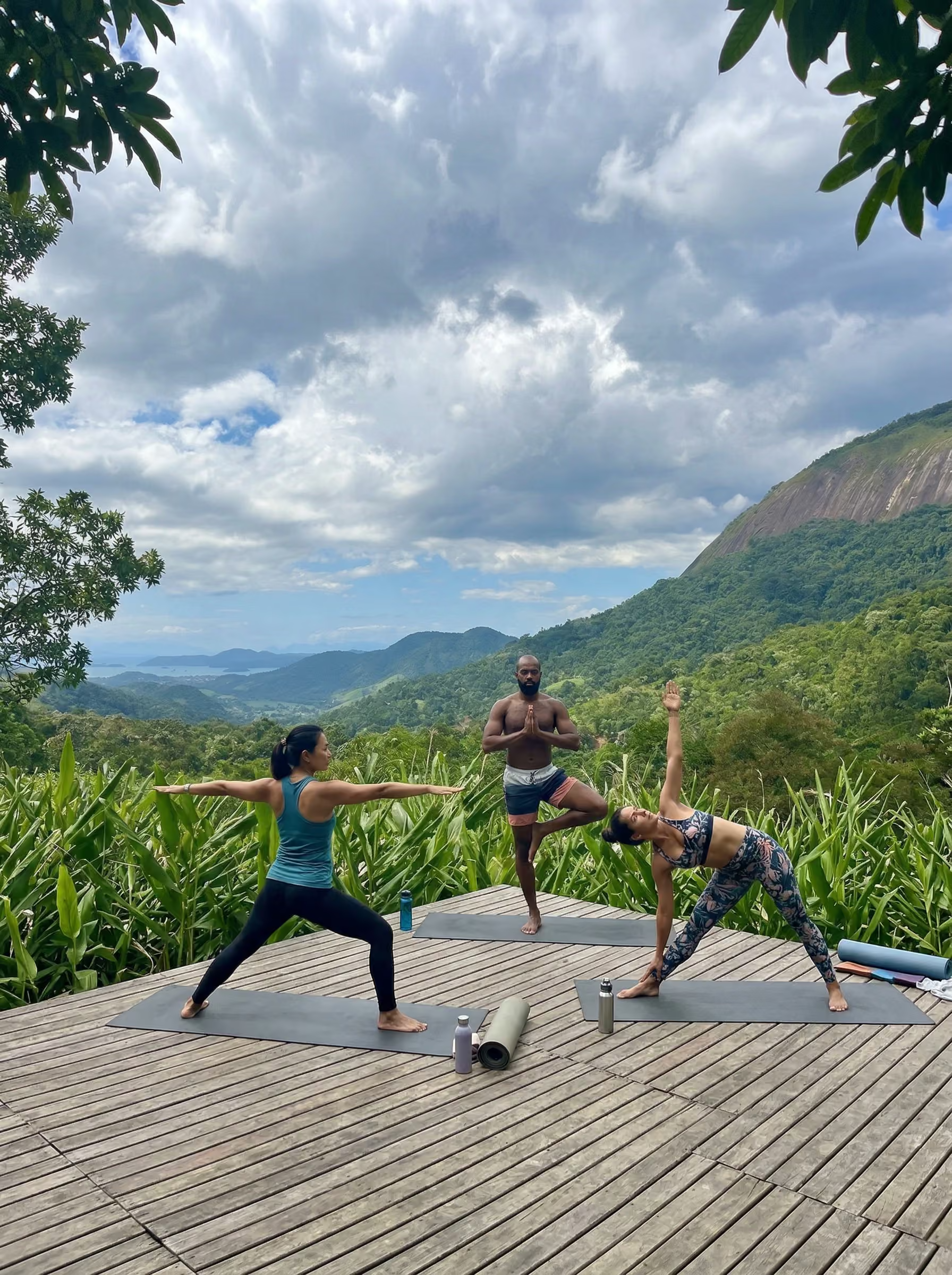
“You’re living in the lifestyle that we live. We’re inviting you into our place, our school, our home. I’m in yoga with them this morning. I’m jumping in the river with them. Tatiana’s with them in the evenings, working with them, serving medicine. We’re with them as they’re going through this.” Charles Johnston
Students doing yoga on the grounds of Nekawa Ibogaine Treatment Centers in Paraty, Brazil
Students on the Nekawa grounds, Paraty, Brazil.

Tatiana Aya Tupinambá is Tupinambá, from northern Brazil, and has been guiding plant medicine ceremonies since 2012. An award-winning documentary that Charles co-produced was made about her journey. Watch it here. She and Charles met in Los Angeles in 2015 and have been together since. The program is built from how they actually live.

That includes ayahuasca, which doesn’t appear on Nekawa’s website. Tatiana’s separate practice, Curandera, holds that work. Eventually, Charles says, it will be integrated more explicitly. The ibogaine and the plant medicine are always pointing toward the same thing: you, alone, with your mind quiet enough to look at yourself clearly.

He is describing a method: this is the life that worked for me, come live it with us for a month, and leave with the tools already installed.

Growing up Mormon, he told me, it was always important to be a good example. That idea stayed. “If the person you’re looking at is not healthy, and they’re running the thing,” he said, “then what trickles down?”

“Ibogaine was discovered in the West because of addiction. That’s the best use case, by far.”

The Field

Charles Johnston has watched the ibogaine world change for over a decade, and the change that worries him most isn’t safety or scandal. It’s hype.

“America is doing the same thing to ibogaine that it’s done to every other medication. They took opiates and said they’re miraculous. They said Ritalin will fix your kids. And now they’re doing the same thing with ibogaine. The 80 percent success rate claim? Such bullshit.” Charles Johnston

He’s sat with enough people coming out of ibogaine to know what the morning after actually looks like, what months after looks like, what a decade after looks like. He has people who did ibogaine with him twelve years ago who are now part of what he is building in Paraty. That continuity is what he thinks most clinics are selling around. Not the single session, but the decade of staying connected.

His concern about pharmaceuticalization is practical, not ideological. The clinical analog programs being developed will produce something safer and FDA-approvable. It will also be expensive, stripped of ceremony, and probably inaccessible to most of the people who need it most. The molecule is not the medicine. The container is the medicine.

“It’s not the medicine that’s solving your problems. It’s you. The medicine can give you the courage to look at what you are. Then you have to start fixing it.” Charles Johnston

What ibogaine does that nothing else does, in his view, is addiction. For trauma, he’ll tell you, other psychedelics probably do it better. The people who are stealing from Target. The people who are riding freight trains to get clean. The people who have tried everything and need something that actually interrupts opiate withdrawal at the receptor level.

“Ibogaine was discovered in the West because of addiction,” he said. “That’s the best use case, by far.”

He is not trying to scale to eight clinics. He is not trying to be the name everyone cites. He wants to run something small, deep, and built to last.

“Small and simple,” he said. “Change the way people think. Change education.”


Someone is hiking. Someone is journaling. Someone is alone in the jungle with a quiet mind, finally learning how to be with themselves.

The room in Tijuana was 13 years ago. What happened in it still runs the whole operation.

Nekawa Ibogaine Treatment Centers operates in Paraty, Brazil. Information at nekawa.com.

Stay informed.

New research, clinic profiles, and policy updates, delivered when there is something worth reading.